


Medically reviewed for accuracy by Dr. Charleston, FACFAOM, C.PED.
Nobody mentions this before bunion surgery: you spend weeks in a chunky walking boot, and then your other hip, knee or lower back starts to complain. Many people in recovery communities describe exactly this: the operated foot is doing fine, but they feel lopsided, tilted or stiff in the hips by the end of the day.
There is a simple reason, and some simple fixes. This guide covers why a boot upsets your walking, how to even out the height difference, how to get the boot to fit as swelling falls, and when aches mean something other than the boot. As always, follow your surgeon's and physical therapist's instructions about weight bearing, crutches and night wear.
Key takeaways
- A boot adds height and a rigid, rocker-shaped sole to one leg, so your pelvis tilts and the opposite hip, knee and back do extra work.
- Evening up the other shoe with a lift or a matching-height shoe often makes walking feel level again.
- Poor boot fit lets the foot slide, so re-check straps and padding as swelling changes.
- New calf pain or swelling should never be blamed on the boot until blood clots are ruled out.
Why boots and post-op shoes upset your gait
A walking boot is designed to protect the surgical site and limit forefoot bending, so the sole is thick, stiff and often curved. Compared with a normal shoe, it:
- Raises that leg. The boot adds noticeable height, commonly a couple of centimeters or more depending on the model, so one leg is effectively longer than the other.
- Locks the ankle and toes. You roll through the stiff sole instead of the natural heel-to-toe motion.
- Is heavy and wide. Swinging a heavier leg takes more effort and changes how you step.
Your pelvis tilts a little with each step to cope with the uneven leg lengths. The hip, knee and lower back on the non-operated side take the extra load, and the back muscles tighten to keep you upright. It is similar to walking with one shoe on and one off, repeated all day for weeks. If you are also using crutches, shoulders and wrists share the work.
Pre-surgery bunions can change gait too; see our article on bunions and knee pain for that earlier stage. This article is about the boot.
Evening out leg length: levelers and shoe choice for the other foot
The most effective fix is to raise the other side by a similar amount.
- Shoe leveler or lift. Products designed for use with walking boots strap onto a shoe or have a built-up sole to match the boot's height. Many people say they make walking far more comfortable.
- A shoe with a thicker sole. A chunky sneaker or a sandal with a firm, flat platform on the other foot can narrow the gap. Choose something stable, with a flat, grippy sole and a secure fit. Platform clogs, high heels and soft or wobbly soles raise the risk of falls and may not suit your balance.
- Keep it modest. You are aiming to roughly even the legs, not exaggerate. If a lift feels unstable, drop back to a normal flat shoe and ask your physical therapist.
If you use crutches or a knee scooter, ask your clinician before adding a lift, because it can change balance. A flat, supportive shoe on the other foot, perhaps with its usual insole, is generally more comfortable for long days than going without. Keep any claims modest: a good shoe on the other side will not fix a hip problem, it just reduces unnecessary strain.
Getting the boot fit right as swelling drops
A bunion boot that fit well on day one can feel loose by week three or four as swelling falls. People often ask whether a boot that feels too big, or one where the toes seem far from the front, is safe. A loose boot lets your heel and foot slide, which causes rubbing and makes balance worse.
- Heel position. Your heel should sit back and firm in the boot.
- Straps. Fasten from the bottom up, snug but not tight. A strap that digs in or leaves deep marks is too tight; if numbness or toe color changes appear, loosen and contact the clinic.
- Sock layers. A clean, dry sock or two, with no wrinkles, can take up slack and reduce rubbing. Use whichever layers your clinic approves.
- Padding. If the boot has liners or inserts, ask whether any should be removed or added. Do not trim or alter the boot yourself.
- Check the skin daily. Look for red patches, blisters and pressure marks, especially on the heel and across the top of the foot.
If the boot feels loose or unstable, tell your clinic, which can check the fit or provide a smaller size. It is not unusual to need adjustment as swelling changes.
Do you sleep in the boot?
This is a surgeon-by-surgeon question. Some want the boot or a protective shoe on at night in the early weeks to protect the toe from bedclothes and accidental knocks, and to keep the foot in the right position. Others allow it off in bed after the first couple of weeks. Do not guess; ask what applies to your procedure.
If you need to sleep in the boot, try pillows to keep the foot elevated and the knee comfortable, and loosen straps slightly if swelling makes it tight. Our article on sleeping comfortably after bunion surgery has more positions and pillow ideas.
Easing hip, knee and back aches
While the boot is on, the goal is to reduce strain. Suggestions that many physical therapists commonly make:
- Even up the legs, as above.
- Walk less, rest more. Short, regular walks beat one long outing. Alternate between sitting with the foot up and moving.
- Walk smoothly. Take smaller, even steps and look ahead rather than down. Avoid hiking the hip to swing the boot through.
- Gentle movement for the rest of you. Upper body work, and, if your surgeon allows, easy hip, back and calf stretches on the non-operated side.
- Heat or a supported lie-down for sore back muscles, as comfort measures.
- Pain relief as prescribed. Use over-the-counter or prescription medication according to your surgeon's or pharmacist's advice.
Most of these aches ease as soon as you are back in normal shoes and your walking pattern returns to normal. Our week-by-week walking timeline outlines how that transition usually goes. When you do move to shoes, move at your surgeon's pace and expect your gait to need a few days to feel natural.
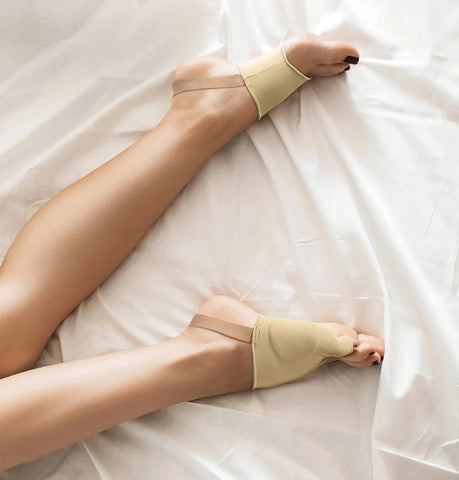
Readers who found this guide helpful are also checking these out — used by 1,800+ customers managing bunion pain at home:

What customers are saying
“The biggest win for me is the pain relief. I used to have this constant ache around the bunion area, especially after a long day on my feet. With the sleeve on, that pain has significantly toned down. I won't say it's a miracle cure, but it's definitely given me some much-needed comfort.”
“My right foot had been bothering me for months — shoes that were always comfortable suddenly hurt after a long day. I’ve been wearing these sleeves for three weeks now and my foot feels mostly back to normal. And the shipping was incredibly fast.”
"I am so pleasantly surprised with this product! I contemplated buying it for weeks and finally did it. My feet have started to form bunions just in the last year or so. I purchased this to alleviate the pain that has started after a long day on my feet. I don't have aching sore feet at the end of the day anymore. I highly recommend it."
"Typically not one to write a review but I was pleasantly surprised with this product. I often wear heels that don't give my toes much room to straighten and over the years my pinky toe started to shift inwards towards my other toes. The misalignment caused the joint to stick out the side of my foot and I started to get inflammation and pain when I walked. In less than a week of using this product I noticed a major difference in the alignment of my toe. The pain is gone and the joint that was inflamed has gotten smaller."
"It's been 2 months since I purchased this item and I can honestly say they work. You have to be patient with them and give your foot time to heal. I had a very painful bunionette on my left foot and these sleeves made a real difference once I wore them consistently."
"I bought this because my bunions were becoming quite painful and I wanted to avoid surgery. These work really well inside shoes. They are well made too, so easy to use and doesn't cut off circulation like other products. A very effective item for pain relief and for those of us trying to keep those bunions from getting worse."
When the pain is not just the boot
Do not assume every ache is from the boot. Call your surgeon, physical therapist or doctor, or seek urgent care, for:
- Calf pain, tenderness, warmth or swelling in either leg. This can be a blood clot (DVT) and needs same-day review. Reduced movement after surgery raises the risk; see our article on calf pain versus DVT. Chest pain or sudden breathlessness means calling 000, 911 or 999.
- A pressure sore or blister from the boot.
- A fall in the boot. Tell your surgeon even if you feel fine.
- Back pain with leg numbness or weakness, loss of bladder or bowel control, or numbness in the groin or saddle area. This is an emergency; go to the emergency department.
- Pain that is sharp, worsening, or not related to activity in the hip or knee.
Our overview of how bunions affect posture, knees, hips and lower back covers long-term body mechanics once recovery is done.
Related reading: the home setup and equipment checklist, shoes after bunion surgery, a stiff big toe and limping after surgery, warning signs after surgery.
FAQ
Why does my hip hurt in a walking boot?
The boot adds height and a stiff sole to one leg, so your pelvis tilts and the opposite hip and lower back work harder with every step. Evening up your other shoe, shorter walks and smoother steps often help. Persistent or worsening pain should be checked.
Do I need an EvenUp with a CAM boot?
Not everyone does, but many people find a leveler or a matching-height shoe on the other foot makes walking more comfortable and eases hip, knee and back strain. Check with your surgeon or physical therapist first, especially if you use crutches or a knee scooter.
Is it normal for the boot to feel too big?
It is common for a boot to feel looser as swelling falls. A loose boot lets the foot slide, so check the heel position, straps and sock layers and tell your clinic, which can check the fit or offer a smaller size.
Do I have to sleep in my boot after bunion surgery?
It depends on your surgeon and procedure. Some want it on at night for the first weeks, others allow it off in bed after a while. Ask for specific instructions rather than guessing.
Can a walking boot cause knee pain on the other leg?
Yes, it can contribute. The uneven height and stiff gait load the opposite knee and hip. Evening up leg length and pacing your walking may help, but new calf pain or swelling should be checked for a blood clot, not blamed on the boot.
How long will I be in a boot after bunion surgery?
It varies with the procedure, anywhere from a few weeks to a couple of months. Your surgeon will decide based on healing and X-rays. Our week-by-week walking timeline shows typical stages.
Educational information only. It is not a substitute for advice from your surgeon or physical therapist. Seek urgent medical attention for calf pain or swelling, chest pain, breathlessness, or back pain with leg weakness or numbness.

Orthopedic Bunion Pain Relief & Correction Sleeve (2 Pairs)
4.9 (1864 reviews)$59.96 $29.96 · Free shipping & returns