


Bunions in Men: Breaking the Myth That Bunions Only Affect Women
When you hear "bunion," you probably picture women in high heels. But men account for approximately 20-30% of all bunion cases — and because men tend to seek treatment later, their bunions are often more severe by the time they see a podiatrist.
How Common Are Bunions in Men?
- Approximately 1 in 4 bunion patients are male
- The female-to-male ratio is roughly 3:1 (not 10:1 as commonly believed)
- Male bunion prevalence increases significantly after age 50
- Men who are physically active or on their feet for work are at higher risk
Why Men Get Bunions
Genetics (Primary Cause)
The biggest risk factor for bunions in men — just like women — is inherited foot structure. If your father, grandfather, or uncles had bunions, you're at elevated risk regardless of what shoes you wear. Specific inherited traits include:
- Flat feet / overpronation tendency
- Hypermobility of the first TMT joint
- Long first metatarsal bone
- Ligament laxity
Occupational Factors
Men in certain professions are disproportionately affected:
- Construction workers: Heavy boots, long hours on hard surfaces
- Military personnel: Marching in standardized boots that may not accommodate foot shape
- Athletes: Runners, soccer players, basketball players — repetitive forefoot stress
- Chefs and restaurant workers: Standing 10-14 hour shifts on kitchen floors
Footwear Issues (Different from Women's)
Men's shoes aren't typically narrow like women's heels, but problems include:
- Steel-toe boots: Rigid toe cap directly compresses the bunion
- Pointed dress shoes: Men's dress shoes can have surprisingly narrow toe boxes
- Wearing the wrong size: Men less frequently get properly fitted — many wear shoes too narrow or too short
Why Men Wait Too Long for Treatment
- Stigma: Bunions are perceived as a "women's problem," causing embarrassment
- "Tough it out" mentality: Many men avoid seeking medical care for foot pain until it's severe
- Denial: "It's just a bump" — men are more likely to minimize bunion symptoms
- Work concerns: Fear of missing work for surgery recovery
The result: Men present with larger, more severe bunions and more advanced joint damage, requiring more complex surgical procedures.
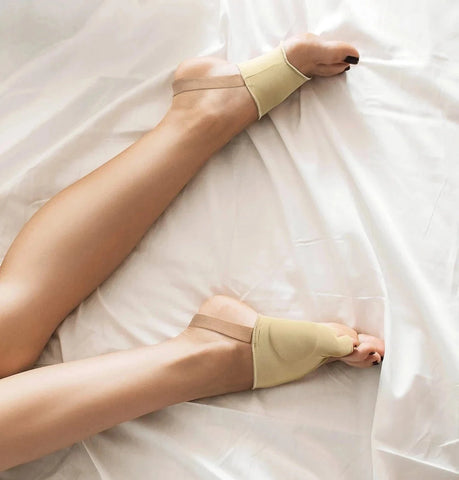
Readers who found this guide helpful are also checking these out — used by 1,800+ customers managing bunion pain at home:

What customers are saying
“The biggest win for me is the pain relief. I used to have this constant ache around the bunion area, especially after a long day on my feet. With the sleeve on, that pain has significantly toned down. I won't say it's a miracle cure, but it's definitely given me some much-needed comfort.”
“My right foot had been bothering me for months — shoes that were always comfortable suddenly hurt after a long day. I’ve been wearing these sleeves for three weeks now and my foot feels mostly back to normal. And the shipping was incredibly fast.”
Treatment Differences for Men
Conservative Management
The same conservative treatments work for men:
- Bunion sleeves: Medical-grade sleeves fit discreetly inside men's shoes
- Wide toe box shoes: Brands like New Balance, Brooks, and KEEN offer wide men's models
- Custom orthotics: Control overpronation and redistribute pressure
- Toe-strengthening exercises: Build the muscles that resist bunion progression
Surgical Considerations
- Men typically have denser bone — hardware fixation tends to be strong and reliable
- Larger foot size means longer metatarsals — some procedures are technically easier, others more challenging
- Men are more likely to need procedures that address severe deformity (Lapiplasty, base osteotomy) because they waited longer
- Return-to-work planning is critical — discuss timeline upfront with your surgeon
Men's Bunion-Friendly Shoe Guide
- Work boots: Look for composite toe instead of steel toe — lighter, wider, and won't compress the bunion. KEEN and Timberland Pro offer wide options.
- Dress shoes: Allen Edmonds and Ecco offer wider lasts. Consider custom or bespoke if your job requires formal shoes daily.
- Athletic shoes: Altra, New Balance (2E and 4E widths), and Brooks (Wide) are top choices.
- Casual shoes: Clarks, OluKai, and Birkenstock offer men's styles with ample toe room.
When to See a Doctor
- The bump is getting noticeably larger
- Big toe is pushing against the second toe
- Pain after work, exercise, or long periods of standing
- You're modifying activities to avoid foot pain
- You need wider shoes than you did 2 years ago
Bunions don't discriminate by gender. If you're a man with a growing bump on your big toe joint, you're not alone — and early treatment is simpler, less invasive, and more effective than waiting until it's severe.