


What Is a Bunionette (Tailor's Bunion)? Causes, Symptoms, and Treatment
Most people know about bunions — the bony bump that forms on the inside of the foot near the big toe. But there's a lesser-known cousin that causes just as much frustration: the bunionette, also called a tailor's bunion. This bump forms on the outside of the foot near the little (pinky) toe, and it affects an estimated 10-15% of American adults.
Why Is It Called a "Tailor's Bunion"?
The name dates back centuries. Tailors traditionally sat cross-legged on the floor while sewing, which put constant pressure on the outer edge of their feet near the fifth metatarsal head. Over time, this pressure caused a bony bump to form — hence "tailor's bunion." Today, the condition is caused by genetics and footwear rather than sitting position, but the name stuck.
Bunion vs. Bunionette: What's the Difference?
| Feature | Bunion (Hallux Valgus) | Bunionette (Tailor's Bunion) |
|---|---|---|
| Location | Inside of foot (big toe) | Outside of foot (pinky toe) |
| Joint Affected | 1st metatarsophalangeal | 5th metatarsophalangeal |
| Prevalence | 23-35% of adults | 10-15% of adults |
| Gender Ratio | More common in women | Equal between sexes |
| Can Occur Together? | Yes — many patients have BOTH conditions simultaneously | |
Causes of Tailor's Bunions
- Inherited foot structure: A naturally prominent fifth metatarsal head or a curved fifth metatarsal bone
- Tight or narrow shoes: Compresses the pinky toe inward over time
- Flat feet or high arches: Both alter weight distribution on the outer forefoot
- Loose ligaments: Allows more movement in the fifth metatarsal joint
- Inflammatory conditions: Rheumatoid arthritis can affect the small toe joints
Symptoms to Watch For
- Visible bony bump on the outside of the foot behind the pinky toe
- Pain when wearing shoes — especially at the pressure point against the shoe wall
- Redness, swelling, or callus formation over the bump
- Pinky toe drifting inward toward the fourth toe
- Pain worsening with walking or standing for long periods
Home Treatment Options
1. Footwear Modifications
- Switch to shoes with a wide toe box that doesn't press against the outer foot
- Avoid pointed-toe, narrow, or tapered shoes
- Soft leather or mesh uppers conform better than rigid materials
2. Padding and Protection
- Gel pads over the bunionette reduce friction inside shoes
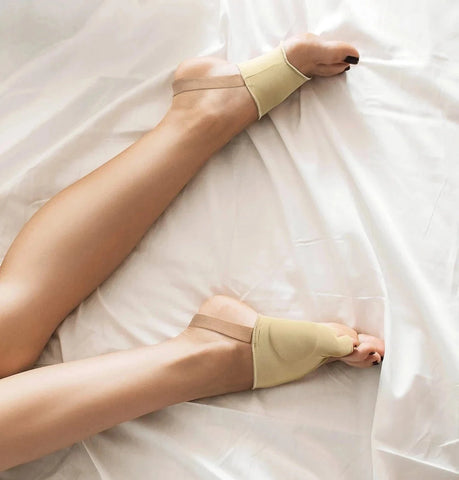
- A tailor's bunion sleeve provides continuous cushioning and gentle correction
- Moleskin patches cut to size can protect the bump during activities
3. Icing and Anti-Inflammatories
- Ice for 15-20 minutes after activity to reduce swelling
- Over-the-counter NSAIDs as directed for pain and inflammation
Readers who found this guide helpful are also checking these out — used by 1,800+ customers managing bunion pain at home:

What customers are saying
“The biggest win for me is the pain relief. I used to have this constant ache around the bunion area, especially after a long day on my feet. With the sleeve on, that pain has significantly toned down. I won't say it's a miracle cure, but it's definitely given me some much-needed comfort.”
“My right foot had been bothering me for months — shoes that were always comfortable suddenly hurt after a long day. I’ve been wearing these sleeves for three weeks now and my foot feels mostly back to normal. And the shipping was incredibly fast.”
When You Have Both: Bunions AND Bunionettes
It's not uncommon to develop bumps on both sides of the forefoot. When you have both a standard bunion and a tailor's bunion, treatment needs to address both simultaneously:
- Use an orthopedic bunion sleeve on the big toe side AND a tailor's bunion sleeve on the pinky toe side
- Choose shoes wide enough to accommodate both conditions without compression
- Foot-strengthening exercises that target all toes help both conditions
Medical Treatment Options
If home treatments don't provide relief, a podiatrist may recommend:
- Custom orthotics: Redistribute pressure away from the fifth metatarsal head
- Cortisone injection: Temporary relief for inflamed bursa over the bunionette
- Physical therapy: Strengthen intrinsic foot muscles to improve forefoot mechanics
- Surgery (bunionette correction): Realigns the fifth metatarsal — typically outpatient with 4-6 week recovery
Preventing Tailor's Bunion Progression
- Wear wide shoes with adequate room for all five toes
- Use a protective tailor's bunion sleeve daily to prevent friction and slow progression
- Maintain healthy weight to reduce forefoot loading
- Do pinky toe exercises: spread small toes apart, hold 5 seconds × 20 reps daily
- See a podiatrist at the first sign of a bump — early intervention is most effective
Tailor's bunions may be less talked about than their big-toe counterparts, but they're just as treatable. With the right footwear, protective sleeves, and proactive care, most people manage bunionettes successfully without surgery.