


You can often ease bunion pain without surgery by giving your toes more room, using a toe spacer or soft sleeve, strengthening your feet and choosing better shoes. These steps will not make the bone straight again, but they can reduce pain, protect the joint and may slow how quickly the bunion changes. Here is what is worth trying and how to do it safely.
What a bunion is and why it develops
A bunion (hallux valgus) is a bony bump at the base of the big toe, where the toe angles toward the second toe and the joint at its base sticks out. It can become red, sore and swollen, and it makes many shoes hard to wear. Several things contribute:
- Genetics: the shape of your foot and the flexibility of your joints are often inherited, so bunions tend to run in families.
- Footwear: narrow, pointed or high-heeled shoes squeeze the toes together and add pressure to the big toe joint.
- Foot mechanics: flat feet, feet that roll inward when you walk (overpronation) and weak small foot muscles can all change how load passes through the big toe.
Shoes alone rarely create a bunion, but they can make an existing one more painful and may speed it up. That is why most conservative care starts with footwear.
Bunions usually change slowly, over years rather than weeks. Some people have a visible bump with almost no pain, while others have a small bump that hurts a lot. How much it hurts matters more than how it looks, and pain is the best guide to what kind of care you need. Keeping a short note of when it flares, which shoes you were wearing and how far you had walked can help you spot patterns and share useful detail with a clinician.
Wide-toe-box shoes come first
The toe box is the front part of the shoe. If it tapers, your toes are forced together all day. Choose shoes where the toe box is as wide as your forefoot (the ball of the foot) and the sole is flat or has a low heel. Cushioned shoes from makers that offer wide toe boxes suit most people, while minimal shoes with thin soles suit those who already have strong feet and want to build up gradually. Sandals with an adjustable strap and a contoured footbed are a good choice in warm weather.
A simple test is to stand on a piece of paper and trace your foot, then set the shoe on top. If the outline of your foot goes beyond the edge of the sole, that pair is too narrow. Try shoes on in the afternoon, when your feet are at their largest.
Toe spacers and toe socks
Toe spacers are soft silicone or gel separators that sit between the toes. Worn with roomy shoes, they gently encourage the toes to spread and can relieve the feeling of being squashed. Many people with flexible bunions (where the toe can still be moved back toward straight by hand) find them helpful, though results vary and the evidence that they permanently realign the toe is limited. Think of them as a comfort and posture tool.
To use them safely:
- Start with 15 to 30 minutes a day, ideally while resting at home.
- Build up slowly over a couple of weeks as your feet adapt.
- Stop if you notice cramping, numbness or new pain between the toes.
- Do not wear a spacer inside a shoe that is already tight. They need extra room.
Toe socks, which have a separate pocket for each toe, reduce rubbing and can make spacers easier to tolerate, particularly if you are prone to blisters.
Strengthening and mobility exercises
Weak or tight foot muscles can leave the big toe joint carrying more stress than it should. Gentle exercises, often called toe yoga, are a reasonable addition. Do them barefoot, seated or standing near support, and work only in a pain-free range.
- Toe spreading: spread all five toes as wide as you can, hold for five seconds, then relax. Repeat ten times.
- Big toe lift: keep the other toes on the floor and lift only the big toe, then do the reverse by lifting the four small toes while the big toe stays down. This is hard at first and improves with practice.
- Short foot: without curling your toes, draw the ball of your foot toward your heel so the arch rises slightly. Hold for five seconds.
- Calf stretch: tight calves increase pressure on the front of the foot, so stretch each calf against a wall for 30 seconds.
If you have had surgery, or you have pain that sharpens during any exercise, stop and ask a physiotherapist or podiatrist (foot specialist) before continuing.
Sleeves, padding and skin care
When a bunion is sore, protecting it from rubbing makes a real difference. A soft orthopedic bunion sleeve adds cushioning over the joint and holds a gel pad in place, which can make daily walking more comfortable. If your bump is on the outside of the foot at the base of the little toe, a bunionette (tailor's bunion) is the problem, and a tailor's bunion sleeve is designed for that spot. Neither will remove the bump, so view them as comfort and friction protection while you work on footwear and strength.
Skin over a bunion can become dry or sore from friction. Keeping it moisturised helps,. Avoid applying anything to broken, blistered or infected skin.
Other home measures include ice for ten minutes after a long day on your feet, simple anti-inflammatory medicine if your doctor or pharmacist says it is suitable for you, and a foot soak followed by a gentle self-massage of the arch and big toe.
When to consider surgery
Surgery is not needed for every bunion. It is usually considered when pain persists despite sensible footwear and conservative care, when the toe is stiff or overlaps the next toe, or when daily activities are limited. There are many procedures, and the choice depends on how large the bunion is, how flexible the joint is and your general health. One example is the Lapidus procedure, which realigns the first metatarsal (the long bone behind the big toe) and stabilises the joint at its base. Full recovery commonly takes several months before impact activities, and your surgeon will give you a plan specific to your operation.
When to see a podiatrist
Arrange a visit if the pain is constant or wakes you at night, if the joint feels stiff, if the bump is red and hot, or if the toe is shifting quickly. Seek advice promptly if you have diabetes, poor circulation or numbness in the feet, since small skin problems can become serious. A podiatrist can examine the joint, take an X-ray if needed and discuss padding, orthotics (custom or ready-made insoles), exercises and whether surgery is worth considering.
Readers who found this guide helpful are also checking these out — used by 1,800+ customers managing bunion pain at home:

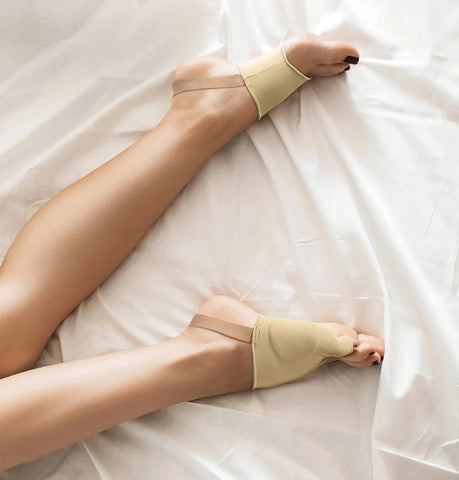
What customers are saying
“The biggest win for me is the pain relief. I used to have this constant ache around the bunion area, especially after a long day on my feet. With the sleeve on, that pain has significantly toned down. I won't say it's a miracle cure, but it's definitely given me some much-needed comfort.”
“My right foot had been bothering me for months — shoes that were always comfortable suddenly hurt after a long day. I’ve been wearing these sleeves for three weeks now and my foot feels mostly back to normal. And the shipping was incredibly fast.”
FAQ
Can bunions be reversed naturally?
No. Spacers, exercises and better shoes can reduce pain and may slow progression, but they do not reshape the bone. Only surgery changes the alignment.
How long does it take to feel better with conservative care?
Wider shoes and a protective sleeve can ease soreness within days to weeks. Strength and mobility work usually takes a few months of regular practice to show a difference.
Are toe spacers safe to wear all day?
Most people should build up gradually and avoid wearing them in tight shoes. If you get numbness, cramping or new pain, stop and check with a podiatrist.
Do I need surgery for a bunion?
Not always. Many people manage well with conservative care. Surgery is considered when pain or stiffness continues despite it and is limiting your daily life.

Orthopedic Bunion Pain Relief & Correction Sleeve (2 Pairs)
4.9 (1864 reviews)$59.96 $29.96 · Free shipping & returns