


Bunion and Morton's Neuroma: When Two Foot Problems Collide
It's surprisingly common to have both a bunion AND a Morton's neuroma. In fact, bunions may actually contribute to neuroma development. Understanding how these conditions interact is essential for effective treatment.
What Is Morton's Neuroma?
A Morton's neuroma is a thickening of the tissue around a nerve (usually between the third and fourth toes). It causes:
- Burning, tingling, or numbness in the ball of the foot
- Feeling like you're standing on a pebble or fold in your sock
- Pain that radiates into the toes
- Pain that worsens in tight shoes and improves when barefoot
Why Bunions and Neuromas Often Coexist
Mechanical Chain Reaction
When a bunion pushes the big toe toward the second toe, the entire forefoot alignment changes:
- The big toe crowds the second toe, which crowds the third toe
- Metatarsal heads are pushed closer together
- The nerve between metatarsal heads gets compressed and irritated
- Chronic compression leads to nerve thickening — a neuroma
Shared Risk Factors
- Narrow shoes: The same tight toe boxes that worsen bunions also compress intermetatarsal nerves
- High heels: Shift weight forward onto the ball of the foot, stressing both the bunion joint and the intermetatarsal space
- Overpronation: Increases medial forefoot loading, affecting both the first metatarsal (bunion) and the lateral forefoot (neuroma)
How to Tell the Difference
| Feature | Bunion Pain | Neuroma Pain |
|---|---|---|
| Location | Inside of foot, big toe joint | Ball of foot, between toes 3-4 |
| Type of pain | Aching, throbbing, sharp on pressure | Burning, tingling, electric-shock |
| Numbness | Rare | Common (third and fourth toes) |
| Visible deformity | Yes (bump on inner foot) | No visible deformity |
| Relief when barefoot | Sometimes | Usually yes |
Integrated Treatment Approach
When you have both conditions, treatment must address both simultaneously:
Conservative Treatment (First Line)
- Wide toe box shoes: Benefits both conditions — reduces bunion compression AND widens the intermetatarsal space
- Metatarsal pad: Placed behind (not under) the metatarsal heads — spreads the metatarsals apart, decompressing the nerve
- Bunion sleeve: Cushions the bunion and helps maintain toe spacing that indirectly reduces neuroma compression
- Custom orthotics: Address overpronation while incorporating a metatarsal lift
- Cortisone injection: Can target the neuroma specifically (different injection site than bunion bursa)
Readers who found this guide helpful are also checking these out — used by 1,800+ customers managing bunion pain at home:

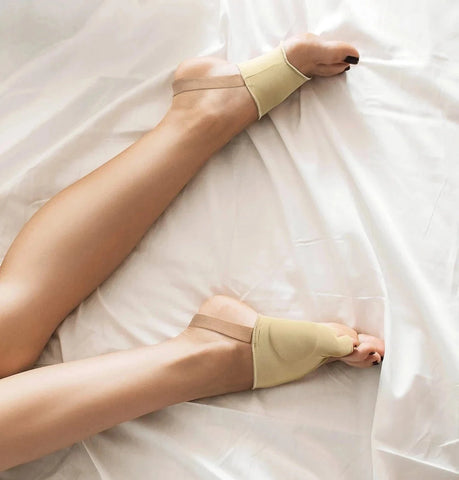
What customers are saying
“The biggest win for me is the pain relief. I used to have this constant ache around the bunion area, especially after a long day on my feet. With the sleeve on, that pain has significantly toned down. I won't say it's a miracle cure, but it's definitely given me some much-needed comfort.”
“My right foot had been bothering me for months — shoes that were always comfortable suddenly hurt after a long day. I’ve been wearing these sleeves for three weeks now and my foot feels mostly back to normal. And the shipping was incredibly fast.”
Surgical Considerations
If both conditions require surgery, some surgeons can correct the bunion and excise the neuroma in the same procedure:
- Combined surgery benefits: One anesthetic, one recovery period, one time off work
- Correcting the bunion first may help the neuroma: Improved alignment reduces metatarsal crowding
- Not always combined: Some surgeons prefer staged procedures to reduce complication risk
Why Treating Just One Doesn't Work
If you only treat the neuroma (injection, surgery) but ignore the bunion, the underlying mechanical problem persists. The metatarsal crowding continues, and neuroma symptoms may recur. Conversely, correcting the bunion alone may improve neuroma symptoms as the mechanical cause is addressed.
Prevention of Both Conditions
- Wear wide toe box shoes consistently
- Avoid high heels over 2 inches
- Strengthen foot intrinsic muscles to maintain forefoot stability
- Use toe spacers to maintain toe separation
- Address overpronation with orthotics or supportive shoes
If you're experiencing both bunion pain and burning/tingling in the ball of your foot, make sure your podiatrist evaluates for BOTH conditions. Integrated treatment addressing the bunion deformity alongside neuroma management gives the best chance of lasting relief.