


How Bad Are Your Bunions? A Deeper Look at Severity, Age, and Real-World Relief
Last updated: 2026-02-22T04:13:45.625Z
Author: Dr. Laura M. Bennett, DPM, MPH
Key takeaways (TL;DR)
- Most bunions can be eased without surgery using wider shoes, pads, sleeves, and targeted exercises [1][2].
- A “10/10” bunion means severe pain or disability; get X‑rays and specialist evaluation if daily life is limited [3].
- Use low heels, wide toe boxes, and protective sleeves to reduce rubbing and slow progression; try these measures for 6–12 weeks and track pain [2][4].
When asked, “How bad are your bunions?” the direct answer is: many severe bunions improve with sensible shoes, protective padding or sleeves, and a short routine of stretching and strength work. If pain stops you from daily tasks or shoe wear, get a specialist evaluation and X‑rays to plan next steps [3][5].
What the Reddit exchange reveals
The simple question — “May I ask how old you are? I am in my 60s and my bunions are severe... On a scale of 1 thru 10, they both are tens. How badly were yours?” — opens a useful conversation about progression and expectations. Age, footwear, genetics, and activity levels shape how quickly a bunion worsens [1][2].
Quick facts about bunion progression
- Bunions (hallux valgus) often start as a mild shift and can progress to pain and deformity. Genetics and foot shape matter [1].
- Years of tight shoes or high heels increase pressure on the big toe joint and speed change [2].
- Strong foot muscles and good footwear can slow progression and reduce pain [4][5].
What is a bunion (hallux valgus) and bunionette (tailor’s bunion)
- Bunion (hallux valgus): a bony bump at the base of the big toe caused by displacement of the toe joint and soft tissues [1].
- Bunionette (tailor’s bunion): a similar bump on the outside of the foot near the little toe, often from shoe pressure or bone shape [1].
Symptoms and when to seek care
- Common symptoms: bump on the side of the foot, redness, callus, pain with shoe wear, and limited big toe motion [1][3].
- Seek care when: pain limits walking, you cannot wear normal shoes, ulcers or persistent redness appear, or deformity worsens despite conservative care [3][5].
- Clinicians use symptoms, physical exam, and X‑rays to grade severity and plan treatment [3].
How clinicians define a “10/10” bunion
A “10” often means constant or disabling pain, recurrent skin breakdown, or severe joint misalignment on X‑ray. Objective measures include the hallux valgus angle and intermetatarsal angle on radiographs [3][6].
Conservative management options and product use guidance
Most people try conservative care first. Evidence supports footwear changes, padding, night splints or sleeves, and orthotics to reduce pain and slow change [2][4].
- Footwear: choose low heels (<2 inches), roomy toe box, and firm but cushioned soles [4][7].
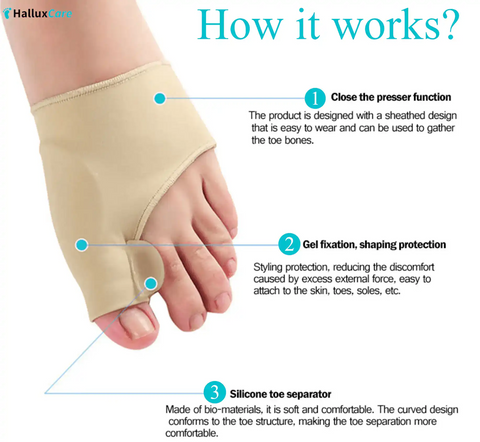
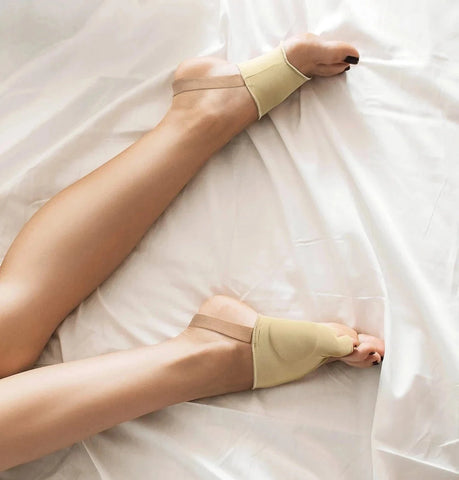
- Protective sleeves and pads: reduce friction and local pressure. Use them with shoes that do not compress the toes. See the Orthopedic Bunion Pain Relief & Correction Sleeve for a product option linked below.
- Orthotics and insoles: custom or off‑the‑shelf orthotics can correct foot mechanics if overpronation contributes to the bunion [2][5].
- Topical care: soothing oils or emollients can ease skin irritation around the bump; they do not correct the deformity. The Jamaica Black Castor Oil Soothing Oil is one such product mentioned below.
- Activity modification: reduce high‑impact sports temporarily and choose lower‑impact options while symptoms flare [2].
Conservative care product references (leave unchanged)
4.9 ⭐⭐⭐⭐⭐ ( 1843 reviews )
Fit and footwear tips (wide toe box, materials, heel height)
- Look for shoes with a generous toe box at the widest part of your forefoot. Leather or mesh that stretches is more forgiving than rigid plastics [4][7].
- Heel height: choose shoes with heels under 2 inches or flats with supportive soles. High heels shift pressure to the forefoot and worsen pain [4].
- Try half sizes or wide widths. A sock liner can change fit; remove thin insoles if space is tight.
- For activities: use cross‑trainers with roomy forefoot and good arch support. For walking, a stiff sole that limits excessive forefoot motion can reduce joint stress [5].
Exercises and daily routines to reduce pain
Regular, simple routines help maintain joint motion and foot strength. Aim for a short daily session (5–10 minutes).
Examples
- Big toe stretch: gently pull the big toe upward and hold 10–20 seconds; repeat 5 times.
- Toe spreads: practice splaying toes apart and holding for 5 seconds; repeat 10 times.
- Towel curls: place a small towel on the floor and use your toes to scrunch it toward you; 2 sets of 10.
- Calf raises and ankle strengthening: 2 sets of 10 heel raises to support the arch and reduce abnormal forces [2][5].
How to use protective sleeves and pads — simple routine
- Put on roomy socks.
- Slide a sleeve or pad over the big toe area so the cushion rests between shoe and bump.
- Wear with roomy shoes or wide toe box footwear. Avoid compressing the sleeve in tight toe boxes.
- Clean sleeves per product instructions and replace when worn.
How to use orthotics and footwear in a care plan
- Try off‑the‑shelf orthotics for 4–8 weeks; if pain persists, get a custom pair from a podiatrist or orthotist.
- Combine orthotics with shoe fit changes and exercises for best effect [2][5].
When to consider surgery
Surgery is an option when conservative care fails and pain or deformity limits function. Surgeons evaluate alignment, X‑rays, and patient goals to recommend procedures [3][6].
- Common reasons for surgery: chronic pain, shoe intolerance, progressive deformity, recurrent skin breakdown.
- Most operations correct alignment and reduce pain, but recovery includes a period of limited weight bearing and rehabilitation [6].
Practical tips and real-world applications
- Track pain and function in a simple diary: note shoe type, pain level out of 10, and activities. Use this to judge whether conservative care helps over 6–12 weeks.
- Shoe shopping: bring orthotics or sleeves to the store and try shoes with them in place. Walk 10 minutes in each shoe to test comfort.
- Travel packing: carry a second pair of roomy shoes or supportive sandals for long days on your feet.
- Sports: switch from narrow racing shoes to cross‑trainers or trail shoes with wider forefoot volume during symptom flare-ups.
Key Takeaways (short)
- Many bunions respond to non‑surgical measures for pain relief and better shoe fit [2][4].
- Severe pain, ulceration, or major functional loss usually needs specialist review and X‑rays [3].
- Simple daily exercises plus sleeves and wider shoes can reduce pain quickly; monitor progress for 6–12 weeks.
Glossary of key terms
- Bunion (hallux valgus): bony bump and medial displacement at the base of the big toe [1].
- Bunionette (tailor’s bunion): bump near the little toe on the outer edge of the foot [1].
- Toe spacers: devices placed between toes to improve alignment; some people find short‑term relief.
- Sleeves: soft pads that cushion the bunion and reduce shoe rubbing.
- Orthoses (orthotics): inserts that support the foot and alter mechanics to reduce stress.
How to assess progress — simple routine
- Baseline: rate pain 0–10 and note shoes worn.
- Repeat weekly: same scale and same shoes.
- After 6–12 weeks: if pain drops by 2 points or more, continue current plan; if not, seek a specialist and obtain weight‑bearing X‑rays [3][5].
FAQs
Are toe spacers safe for bunions?
Toe spacers can be safe for short periods. They help spread toes and relieve pressure in some people. Start with 10–20 minutes daily and increase as comfortable. Do not force a painful stretch. If spacers increase pain or numbness, stop and see a specialist [2][5].
How long should I wear toe spacers daily?
Begin with short sessions (10–20 minutes) once daily. If tolerated, increase to 1–2 hours. Some people use them at night. Monitor for pain, numbness, or increased deformity and stop if symptoms worsen [2].
Bunion vs tailor’s bunion – what’s the difference?
A bunion (hallux valgus) affects the big toe joint on the inside of the foot. A tailor’s bunion (bunionette) is a bump by the fifth metatarsal near the little toe. Both result from pressure, shoe fit, or bone shape [1].
Do bunion sleeves help with shoe comfort?
Yes. Sleeves cushion the bump and reduce friction, often allowing better shoe tolerance. They do not correct bone alignment, but they make daily activities and shoe wear more comfortable [2][4].
When should I see a podiatrist?
See a podiatrist if pain limits walking, you cannot wear shoes, you have repeated redness or ulcers, or conservative care for 6–12 weeks fails to help. A specialist can order X‑rays and recommend orthotics or surgery [3][5].
Can I run or play pickleball with a bunion?
You can often continue activity with adjustments: wider running shoes, reduced mileage, and cushioned sleeves. If pain or swelling persists during or after play, reduce intensity and consult a specialist to avoid worsening the deformity [2][4].
Will stretching fix my bunion?
Stretching helps joint motion and symptoms but will not reverse bone alignment. Stretching combined with footwear and pads can reduce pain and slow progression [2].
How long until conservative treatments work?
Many people feel symptom relief in 2–6 weeks. Give a full trial of 6–12 weeks for footwear, sleeves, orthotics, and exercises before judging effectiveness [2][5].
Sources
- MedlinePlus. Bunion. U.S. National Library of Medicine. https://medlineplus.gov/bunion
- NCBI (PubMed). Conservative treatment options for hallux valgus: review articles and clinical trials. (See reviews on footwear, orthotics, and splints.) https://www.ncbi.nlm.nih.gov
- AOFAS. Hallux Valgus (Bunions) patient information and surgical indications. https://www.aofas.org
- APMA. Choosing shoes that fit: guidance for foot problems including bunions. https://www.apma.org
- Journal articles on orthoses and exercise for bunions: randomized trials and cohort studies (PubMed). https://www.ncbi.nlm.nih.gov/pubmed
- Surgical literature: correction of hallux valgus and expected outcomes (orthopedic journals). https://www.ncbi.nlm.nih.gov
- Footwear fit and biomechanics reviews: peer‑reviewed sources on heel height, toe box width, and forefoot pressure.
Now it's your turn
How would you rate your bunion pain? Have you found a sleeve, shoe or surgeon that changed things for the better? Share your age, location and experience below — your story could help someone in Boston, Miami, Seattle or Dallas decide their next step.
```