


What Is a Dorsal Bunion? Causes, Symptoms & How To Treat It Naturally
If you've noticed a painful bony bump on the top of your big toe joint rather than the side, you may be dealing with a dorsal bunion. While less commonly discussed than a standard hallux valgus bunion, dorsal bunions can be just as painful — and just as important to treat early.
This guide covers everything you need to know: what a dorsal bunion is, what causes it, how it differs from a regular bunion, and — most importantly — the most effective non-surgical treatment options available today.
What Is a Dorsal Bunion?
A dorsal bunion is a bony prominence that forms on the top surface of the metatarsophalangeal (MTP) joint — the joint connecting the big toe to the foot. Unlike a traditional hallux valgus bunion, which protrudes from the side of the foot, a dorsal bunion pushes upward.
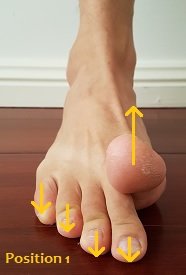
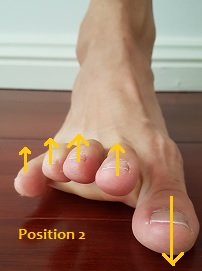
This upward displacement is caused by a muscle imbalance in the foot, where the flexor muscle overpowers the extensor, pulling the big toe downward while the joint is forced upward. Over time, this creates a visible and often painful bump on top of the toe joint.
Dorsal Bunion vs. Standard Bunion: What's the Difference?
Many people confuse dorsal bunions with standard hallux valgus bunions. Here's how they compare:
- Standard (Hallux Valgus) Bunion: Bony bump on the inner side of the big toe joint. The big toe drifts toward the second toe. Most commonly caused by tight or narrow footwear.
- Dorsal Bunion: Bony bump on the top of the big toe joint. The big toe is pulled downward (plantarflexed) while the joint protrudes upward. Often caused by muscle imbalance, trauma, or certain medical conditions.
Both types can co-exist — meaning if you have a dorsal bunion, you may also be at greater risk of developing a side bunion over time if the joint alignment is not supported.
What Causes a Dorsal Bunion?
Dorsal bunions are less commonly caused by footwear alone. The most frequent causes include:
- Muscle imbalance: When the flexor hallucis brevis overpowers the extensor muscle, the big toe is pulled downward and the joint rises upward.
- Trauma or injury: Previous injuries to the toe or foot can alter joint mechanics and trigger dorsal bunion formation.
- Spastic conditions: Conditions such as cerebral palsy or club foot can lead to the muscle imbalances that cause dorsal bunions.
- Arthritis: Joint deterioration can contribute to abnormal bone growth on the top of the joint.
- Flat feet or poor arch support: Altered weight distribution across the foot increases stress on the big toe joint.
Symptoms of a Dorsal Bunion
Dorsal bunion symptoms can range from mild to severely limiting. Common signs include:
- A visible bony bump on the top of the big toe joint
- Pain and tenderness when wearing shoes, especially those with a low toe box
- Redness, swelling, or inflammation around the joint
- Restricted range of motion in the big toe (difficulty bending upward)
- Calluses or skin thickening on top of the joint from shoe friction
- Altered walking gait due to pain
Left untreated, dorsal bunions can lead to a cascade of additional foot problems — including hammertoes, corns & calluses, bursitis, capsulitis, and arthritis. The good news? In most cases, dorsal bunions can be effectively managed without surgery.
How Does It Help? — Non-Surgical Treatments for Dorsal Bunions
Orthopedic Bunion Pain Relief & Correction Sleeves With Silicone Gel Protection Pads
One of the most effective & podiatrist-recommended ways to treat bunions — including dorsal bunions — are orthopedic sleeves with silicone gel pads, specifically designed by professionals in consultation with surgeons. They work to release built-up pressure & pain around the toe joint, stop the bunion from progressing to worse conditions, eliminate daily swelling, chronic pain and inflammation, prevent blisters, calluses, and corns — and get you back on your feet fast without discomfort.
For dorsal bunion sufferers specifically, the HalluxCare™ sleeve offers:
- Cushioning & Protection: The silicone gel pad acts as a barrier between the raised joint and the inside of your shoe, dramatically reducing painful friction and rubbing on the top of the foot.
- Compression for Swelling: The gentle, medical-grade compression reduces inflammation and daily swelling around the joint — providing immediate comfort from the first wear.
- Toe Separation & Alignment: The built-in toe separator helps keep the big toe in a natural position, reducing overlapping and crowding of adjacent toes — a common secondary issue in dorsal bunion cases.
- Dual Bunion Prevention: Because dorsal bunions can alter the alignment of the big toe joint overall, wearing the sleeve consistently also helps prevent a side (hallux valgus) bunion from forming or worsening — giving you two-way protection from a single product.
- Optimal Weight Distribution: The sleeve promotes proper weight distribution across the forefoot, reducing excessive stress on the MTP joint during walking and standing.
Prevention score: 9/10
Pain relief score: 10/10
Long-term solution: 10/10
Wear it around the house during normal daily activities or in bed while asleep as a night sleeve. They are great for walking, running, and people who like to stay active. They slip onto the foot like a sock and can be worn in shoes, socks, or barefoot all day for maximum comfort, correction, and pain relief.
💡 Each order includes 2 pairs of different designs, so you can test both to find which feels most comfortable for your dorsal bunion, or alternate between them throughout the day for extended use.
Shop HalluxCare™ Orthopedic Bunion Sleeve →

Changing Your Footwear
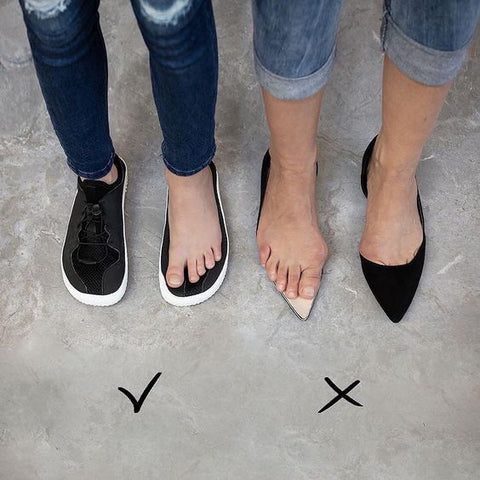
Footwear plays a significant role in the progression of dorsal bunions. Shoes with a low toe box press down directly on the raised joint, causing immediate pain and long-term damage. Switching to shoes with a deep, roomy toe box and a low heel reduces the pressure on the dorsal prominence considerably.
This works best on early-stage dorsal bunions and is most effective when combined with a supportive sleeve.
Prevention score: 9/10
Pain relief score: 4/10
Long-term solution: 9/10 (combined with sleeve)
Massage and/or Wraps with Castor Oil
Castor oil has powerful antioxidant, antimicrobial, and anti-inflammatory properties, making it particularly effective at reducing swelling and pain around inflamed joints — including a dorsal bunion.
Warm around 75ml of castor oil, dip a cloth into it, and place it over the bunion. Wrap with a towel or bandage and keep for 15–20 minutes. Repeat twice daily for best results. You can also use our Pure Bunion Castor Oil specifically formulated for bunion relief.
Prevention score: 4/10
Pain relief score: 9/10
Long-term solution: 3/10
Foot Exercises
Because dorsal bunions are often caused by muscle imbalance, targeted foot exercises are especially important for treatment and prevention. Strengthening the extensor muscles of the big toe and improving flexibility in the MTP joint can help restore proper alignment and slow progression.
Recommended exercises include:
- Big Toe Lifts: While keeping the other toes flat, lift only the big toe upward. Hold for 5 seconds, release. Repeat 10–15 times per foot.
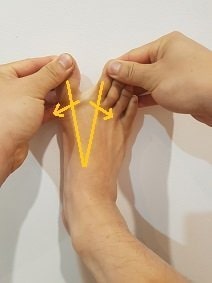
- Toe Adductor Stretch: Gently pull the big toe back toward its neutral position and hold. This helps stretch the flexor and restore balance.
- Towel Scrunches: Place a towel on the floor and use your toes to scrunch it toward you. Strengthens the intrinsic foot muscles.
- Marble Pick-Ups: Use your toes to pick up marbles from the floor, improving dexterity and muscle control.
Prevention score: 8/10
Pain relief score: 2/10
Long-term solution: 9/10
Soaking Feet in Epsom Salt
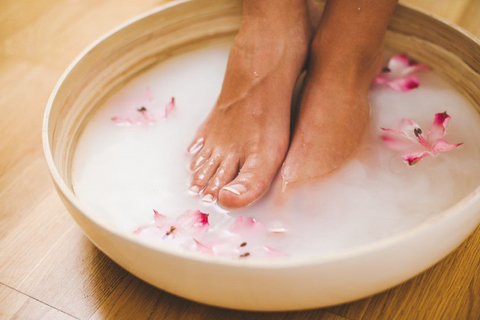
Epsom salt contains magnesium sulphate which minimizes inflammation and pain — making it a great complementary home remedy for a sore and swollen dorsal bunion. Fill a basin with warm water, add around 100–150g of Epsom salt, and soak your feet for 20 to 60 minutes. You can add a few drops of lavender or peppermint essential oil for added relief.
Prevention score: 4/10
Pain relief score: 9/10
Long-term solution: 3/10
Medications
Common over-the-counter painkillers such as ibuprofen or acetaminophen can offer short-term relief from dorsal bunion pain by reducing inflammation. However, they do nothing to address the underlying cause or prevent progression, and are best used as a temporary measure alongside more targeted treatments.
Prevention score: 1/10
Pain relief score: 9/10
Long-term solution: 1/10
Surgical Treatment — A Last Resort
If non-surgical treatment is not effective enough, then surgical treatment can be considered. Surgery is a last resort. It is generally an option only when symptoms are severe and have not improved with conservative forms of treatment, such as NSAIDs, injections, significant shoe changes, and medical-grade sleeves.
Are There Any Risks to Dorsal Bunion Surgery?
Patients should be aware of the many risks associated with bunion surgery. The most common complications include:
- Bunion recurrence — it can come back.
- Incomplete removal of the bony prominence.
- Swelling & pain can remain for months post-surgery.
- Highest nonunion rate of any orthopaedic procedure despite modern hardware.
- Development of arthritis in the joint.
- Nerve damage affecting long-term sensation.
- Added stress on joints making running less comfortable.
Surgery can be a great option — but only when truly necessary. We always encourage exhausting conservative treatment options first. In general, only healthy patients without serious medical problems should be considered for bunion surgery.
Start Treating Your Dorsal Bunion Today — Without Surgery
Dorsal bunions don't get better on their own. The earlier you intervene, the better your chances of stopping progression and avoiding costly surgical procedures. HalluxCare™ orthopedic sleeves are recommended by podiatrists, physical therapists, and chiropractors as one of the most effective first-line treatments for bunion pain and correction.
With 2 pairs included in every order — each of a different design — you can find the fit that works best for your foot, or alternate between them for all-day coverage and comfort.
→ Shop HalluxCare™ Orthopedic Bunion Sleeve — 50% OFF Today
Readers who found this guide helpful are also checking these out — used by 1,800+ customers managing bunion pain at home:

What customers are saying
“The biggest win for me is the pain relief. I used to have this constant ache around the bunion area, especially after a long day on my feet. With the sleeve on, that pain has significantly toned down. I won't say it's a miracle cure, but it's definitely given me some much-needed comfort.”
“My right foot had been bothering me for months — shoes that were always comfortable suddenly hurt after a long day. I’ve been wearing these sleeves for three weeks now and my foot feels mostly back to normal. And the shipping was incredibly fast.”