


Cycling with Bunions: Bike Setup, Shoe Selection, and Pain-Free Pedaling
Cycling is one of the best exercises for people with bunions. Unlike running or walking, cycling is low-impact and doesn't require the big toe to bear full body weight during push-off. But the wrong bike setup or cycling shoes can still trigger bunion pain. Here's how to get it right.
Why Cycling Is Bunion-Friendly
- No ground impact: The pedal supports your foot — no pounding on hard surfaces
- Circular motion: Smooth pedaling avoids the sharp push-off that stresses the MTP joint during walking/running
- Controlled pressure: You control the resistance and cadence, so you control forefoot loading
- Cardiovascular benefit: Full cardio workout without bunion-aggravating impact
Cycling Shoe Selection for Bunions
Road Cycling Shoes
Road cycling shoes are notoriously narrow. For bunion riders:
- Wide-fit models: Lake, Bont, and Shimano offer wide and extra-wide cycling shoes
- Heat-moldable shoes: Bont shoes can be heated in an oven and molded to your exact foot shape — including bumping out the bunion area
- BOA dial closure: Allows micro-adjustments throughout a ride as your foot swells
- Avoid: Shoes with rigid seams or overlays across the bunion area
Mountain Bike / Casual Cycling Shoes
Generally wider and more forgiving than road shoes. Flat-pedal shoes (like Five Ten) have roomy toe boxes and work well for recreational riders with bunions.
Indoor/Spin Cycling
You can often use wide athletic shoes with toe cages instead of clipless pedals — more bunion room and no cleat pressure points.
Cleat Positioning (Critical for Bunions)
If you use clipless pedals, cleat placement directly affects bunion loading:
- Move cleats rearward: Positioning the cleat behind the ball of the foot shifts pressure away from the MTP joint. The cleat center should align with the midfoot, not the bunion.
- Slight lateral offset: Moving the cleat 1-2mm toward the outside of the shoe reduces medial forefoot pressure
- Float: Use cleats with 4.5-6° of float (Shimano yellow, Look gray) to allow natural foot rotation — restricting rotation forces the bunion joint
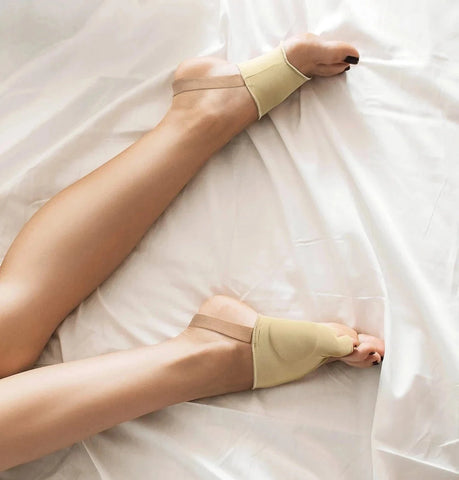
Readers who found this guide helpful are also checking these out — used by 1,800+ customers managing bunion pain at home:

What customers are saying
“The biggest win for me is the pain relief. I used to have this constant ache around the bunion area, especially after a long day on my feet. With the sleeve on, that pain has significantly toned down. I won't say it's a miracle cure, but it's definitely given me some much-needed comfort.”
“My right foot had been bothering me for months — shoes that were always comfortable suddenly hurt after a long day. I’ve been wearing these sleeves for three weeks now and my foot feels mostly back to normal. And the shipping was incredibly fast.”
Bike Fit Adjustments
Saddle Height
Too low = excessive knee bend = increased forefoot pressure at bottom of pedal stroke. Ensure proper saddle height so your knee has a 25-35° bend at the bottom of the stroke.
Pedal Spindle Width
Standard pedal spindles may position your feet too narrowly, increasing the valgus angle at the knee and bunion stress. Consider pedal spacers or wider-axle pedals for a more natural stance width.
Cadence
Higher cadence (85-95 RPM) with lower resistance produces less force per pedal stroke than grinding in a big gear. Spin light, spin fast — your bunion joint will thank you.
Managing Bunion Pain During Rides
- Bunion sleeve under cycling shoe: Thin sleeves fit inside most cycling shoes without affecting cleat engagement
- Forefoot wedge: A small varus wedge under the cleat can reduce pronation and first MTP joint stress
- Mid-ride adjustments: Loosen BOA dials 1-2 clicks if you feel pressure building — feet swell during rides
- Post-ride icing: 15 minutes on the bunion after long rides prevents next-day flare-ups
Types of Cycling by Bunion Impact
| Activity | Bunion Stress Level | Notes |
|---|---|---|
| Leisure cycling (flat pedals) | Very Low | Best option — wide shoes, no cleat pressure |
| Indoor/spin cycling | Low | Controlled environment, easy shoe swaps |
| Road cycling (clipless) | Low-Moderate | Depends on shoe fit and cleat position |
| Mountain biking | Moderate | Terrain vibration adds some joint stress |
| Sprinting/racing | Moderate-High | High wattage = high forefoot force |
Cycling gives you the fitness benefits of vigorous exercise without punishing your bunion. With the right shoe, cleat setup, and bike fit, you can ride comfortably for hours — even with a significant bunion deformity.
Looking for a podiatrist or bunion clinic near you?
If you are comparing local foot doctors before surgery, start with our U.S. state-by-state bunion clinic and surgery center guide. Popular state pages: