


Teachers and School Workers with Bunions: Surviving Long Days on Your Feet
Teachers and school support staff represent one of the highest-risk groups for bunion pain progression — standing 6-8 hours daily on hard floors, walking between classrooms, and unable to sit for long stretches. This is not a job that tolerates bunion pain passively. Proactive management during the school day is essential.
Understanding the School Day Load
Studies tracking teachers' activity show an average of 8,000-12,000 steps per day during school hours — comparable to a half-marathon in weekly distance over a five-day week. The flooring is typically polished concrete, tile, or vinyl over concrete — surfaces that provide almost no shock absorption.
For reference: each step transmits approximately 1x body weight through the foot. A 150 lb teacher takes 10,000 steps → 150,000 lbs of cumulative foot load per day. With a bunion creating abnormal pressure distribution, a significant fraction of that load concentrates on the wrong structures.
Footwear Strategy for Teachers
The "Two-Shoe" Approach
Wearing the same shoe for an 8-hour school day is suboptimal even without a bunion — feet swell, cushioning compresses, and the same pressure points get repeated exposure. Consider:
- Morning shoe: Firmer, more supportive for the active start of the day
- Afternoon shoe swap: Slightly wider, more cushioned for the swollen end-of-day foot
- Keep both pairs at school; swap at lunch break
Features That Matter
- Wide or extra-wide toe box — non-negotiable
- Memory foam or EVA midsole — absorbs the hard floor impact
- Low heel-to-toe drop (0-8mm) — reduces forefoot pressure slightly compared to high-heeled styles
- Anti-slip outsole — school floors, especially after mopping, are a slip hazard
Recommended brands for teachers: Dansko Professional (the classic wide toe box clog), Brooks Addiction Walker, New Balance 928, HOKA Bondi (extra cushion), Vionic with FMT Technology.
Readers who found this guide helpful are also checking these out — used by 1,800+ customers managing bunion pain at home:

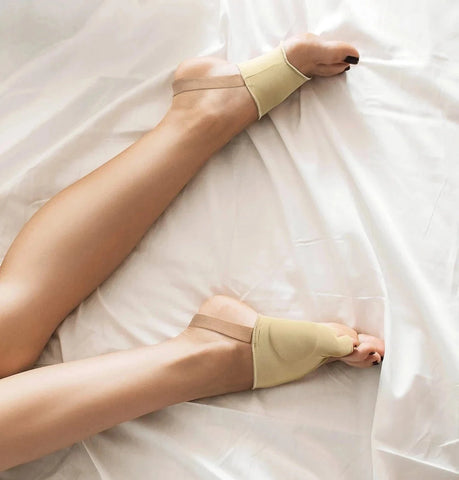
What customers are saying
“The biggest win for me is the pain relief. I used to have this constant ache around the bunion area, especially after a long day on my feet. With the sleeve on, that pain has significantly toned down. I won't say it's a miracle cure, but it's definitely given me some much-needed comfort.”
“My right foot had been bothering me for months — shoes that were always comfortable suddenly hurt after a long day. I’ve been wearing these sleeves for three weeks now and my foot feels mostly back to normal. And the shipping was incredibly fast.”
Classroom Setup for Bunion Management
- Anti-fatigue mat at your teaching station: A 3/4" thick anti-fatigue mat at the whiteboard or instructional area dramatically reduces fatigue and bunion pressure during stationary instruction. Worth purchasing personally if the school won't provide one.
- Seating during administrative tasks: Sit whenever the task allows — grading, planning, small group instruction. Standing is not required for everything.
- Shoe removal during prep period: Removing shoes and elevating feet for 15 minutes during prep or lunch measurably reduces afternoon pain. Keep slippers in your drawer.
Between-Class Survival Tips
- During hallway duty: shift weight frequently — left foot, right foot, then alternate — rather than standing symmetrically which concentrates pressure
- Toe stretches at your desk between classes: 30 seconds of big toe varus stretching and toe fanning resets foot muscle tension
- Keep a small ice pack in the staff room freezer — 10 minutes during lunch makes a real difference to afternoon pain
Managing After School
- Remove shoes immediately after arriving home
- Foot soak (warm water + Epsom salt) for 15 minutes
- Elevation for 20 minutes — this is not laziness, it's recovery
- Ice the bunion specifically if it's above 5/10 pain after the soak
Teachers deserve working conditions that don't destroy their feet. Within whatever constraints exist, these strategies compound over time — teachers who implement them early in their career typically maintain significantly better foot health than those who don't address bunion management until pain is severe.