


PRP Therapy for Bunion Pain: What Platelet-Rich Plasma Can and Cannot Do
Platelet-rich plasma (PRP) has become one of the most talked-about "biologic" treatments in orthopedics — and it's increasingly being offered for bunion-related pain. But with significant cost and variable insurance coverage, it's worth understanding exactly what PRP can realistically achieve for bunion patients before committing to treatment.
What Is PRP?
PRP is created by drawing your own blood, spinning it in a centrifuge to concentrate the platelets (which contain growth factors), and injecting the concentrated plasma back into the injured tissue. The goal is to harness your body's own healing signals to reduce inflammation and promote tissue repair.
How PRP Is Being Used for Bunions
PRP is not used to correct the bunion deformity itself. Rather, it targets the secondary inflammatory components of bunion pain:
- Bursitis: The fluid-filled sac over the bunion that causes swelling and pain
- Joint capsule inflammation: Chronic synovitis within the first MTP joint
- Cartilage support: Growth factors in PRP may support remaining cartilage health in arthritis-complicated bunions
- Plantar plate tears: PRP has shown promise for ligament healing in early-stage tears
What the Evidence Shows
- PRP has strong evidence for conditions like lateral epicondylitis (tennis elbow) and plantar fasciitis — both chronic inflammatory tendon/ligament conditions
- Evidence specifically for bunion bursitis and MTP joint arthritis is limited but emerging — small studies show pain reduction of 40-60% at 6 months
- PRP appears most effective for the soft tissue inflammatory components of bunion pain, not the structural deformity
- Effects typically last 6-18 months — longer than cortisone but not permanent
Readers who found this guide helpful are also checking these out — used by 1,800+ customers managing bunion pain at home:

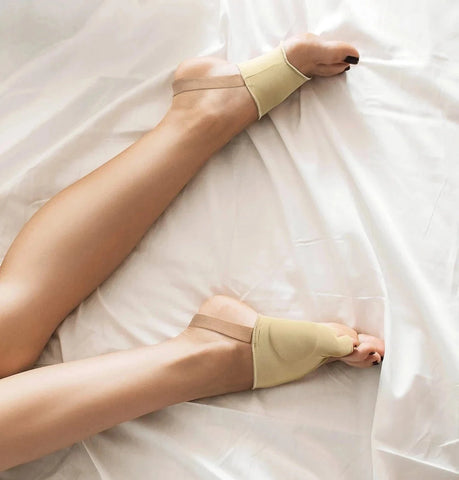
What customers are saying
“The biggest win for me is the pain relief. I used to have this constant ache around the bunion area, especially after a long day on my feet. With the sleeve on, that pain has significantly toned down. I won't say it's a miracle cure, but it's definitely given me some much-needed comfort.”
“My right foot had been bothering me for months — shoes that were always comfortable suddenly hurt after a long day. I’ve been wearing these sleeves for three weeks now and my foot feels mostly back to normal. And the shipping was incredibly fast.”
PRP vs Cortisone for Bunion Bursitis
| Factor | Cortisone | PRP |
|---|---|---|
| Speed of relief | Faster (days) | Slower (weeks) |
| Duration | 4-12 weeks typically | 6-18 months typically |
| Tissue effects | Anti-inflammatory; may weaken tissue with repeated use | Promotes healing; no tissue weakening |
| Cost | Usually covered by insurance ($30-50 copay) | Often not covered ($400-800 per injection) |
| Injection discomfort | Moderate (brief) | More (post-injection flare common for 2-5 days) |
Who May Benefit Most from PRP
- Patients who've had multiple cortisone injections with diminishing returns
- Those with chronic bursitis that hasn't responded to conservative care
- Patients with early MTP joint arthritis alongside their bunion
- Those wanting to delay surgery and looking for longer-lasting non-operative relief
Who Is NOT a Good Candidate
- Active infection or skin breakdown near the injection site
- Bleeding disorders or patients on anticoagulant therapy
- Very severe, structural deformity where soft tissue treatment alone is insufficient
- Unrealistic expectations — PRP provides pain relief, not structural correction
The Bottom Line
PRP is a legitimate option for bunion-related soft tissue pain, particularly bursitis and joint inflammation, when conservative measures and cortisone have helped but not solved the problem. It won't fix the bunion — but for the right patient, it can provide meaningful, longer-lasting relief than cortisone while avoiding or delaying surgery.