


Understanding Minimally Invasive Bunion Surgery and Calf Procedures: A Patient’s Journey
Last updated: 2025-12-01T04:13:24.387Z
Author: Dr. Emily Harper, DPM (Doctor of Podiatric Medicine)
Key Takeaways
- Minimally invasive bunionectomy with osteotomy corrects bunions using small incisions, reducing pain and speeding recovery.
- Tailor’s bunionectomy treats bunionettes (bony bumps on the outer foot side) often alongside bunion surgery.
- Tight calf muscles can worsen foot pain; minimally invasive calf procedures may improve walking biomechanics.
- Non-surgical aids like orthopedic bunion sleeves and toe spacers provide cushioning and gentle realignment.
- Supportive footwear with a wide toe box and low heel helps reduce bunion pressure and improve comfort.
- Physical therapy and stretching exercises for calves and feet aid recovery and prevent recurrence.
What Is a Bunion (Hallux Valgus) and a Bunionette (Tailor’s Bunion)?
A bunion, medically called hallux valgus, is a bony bump that forms at the base of the big toe joint due to misalignment of the bones[1]. This causes the big toe to angle toward the other toes, resulting in pain, swelling, and difficulty wearing shoes.
A bunionette, or Tailor’s bunion, is a similar bony prominence on the outside of the foot at the base of the little toe. It can cause discomfort especially when wearing tight shoes[2].
Understanding these conditions helps tailor treatment approaches, whether surgical or conservative.
Symptoms and When to Seek Care
Common symptoms of bunions and bunionettes include:
- Visible bump on the side of the foot
- Redness, swelling, or soreness around the joint
- Pain during walking or shoe wear
- Difficulty fitting into shoes comfortably
- Restricted toe movement
Seek professional care if you experience persistent pain, worsening deformity, or difficulty walking. Early intervention can prevent progression and improve quality of life[3].
Minimally Invasive Bunionectomy and Osteotomy Explained
Minimally invasive bunionectomy uses small cuts to remove or realign the bony bump with less soft tissue disruption. This technique lowers post-op pain and speeds healing compared to traditional open surgery[4].
Osteotomy is a precise surgical cut made in the bone to realign the toe joint, restoring proper foot mechanics. It is often combined with bunionectomy for optimal correction[5].
When bunionettes are present, a Tailor’s bunionectomy is performed to remove the bony prominence on the little toe side.
Why Address Tight Calves in Foot Pain?
Tight calf muscles can increase strain on the foot’s connective tissues, contributing to foot pain and deformities like bunions[6]. A minimally invasive calf procedure to release muscle tightness can improve foot biomechanics and walking efficiency.
This combined surgical approach helps reduce overall discomfort and supports better recovery.
Conservative Management Options and Product Use Guidance
Not all patients require surgery immediately. Conservative treatments can alleviate symptoms and slow bunion progression:
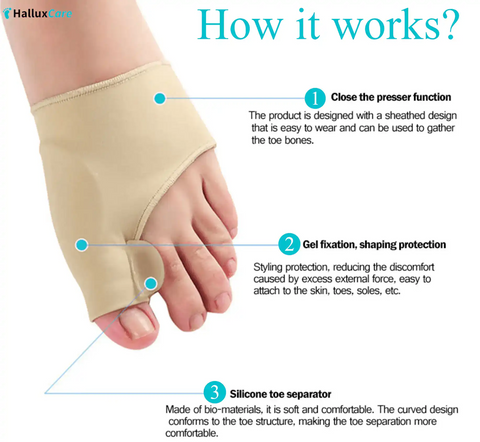
- Orthopedic Bunion Pain Relief & Correction Sleeves: Provide cushioning and gentle toe realignment to reduce discomfort.
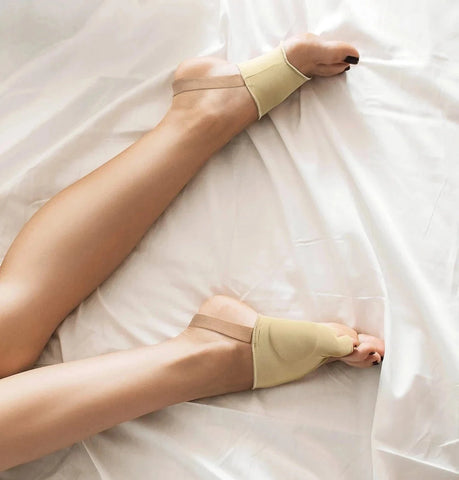
- Tailor’s Bunion Bunionette Pain Relief Protection Sleeves: Cushion and protect the outer foot bunionette area.
- Toe spacers and orthoses: Help separate toes and improve alignment during daily wear[7].
These products are helpful during daily activities and can complement surgical recovery.
Fit and Footwear Tips for Bunion Relief
Proper footwear is essential to minimize bunion pain:
- Choose shoes with a wide toe box to avoid squeezing toes.
- Select soft, breathable materials like leather or mesh.
- Keep heel height low (under 2 inches) to reduce forefoot pressure.
- Avoid narrow, pointed shoes and tight straps that irritate bunions[8].
Wearing well-fitted shoes can prevent worsening of deformities and improve comfort.
Exercises and Daily Routines to Support Foot Health
Incorporate these practices for bunion management and calf flexibility:
- Toe stretches and curls to maintain joint mobility.
- Calf stretches to reduce muscle tightness and improve foot mechanics.
- Foot rolling with a massage ball to relieve tension.
- Follow a physical therapy regimen post-surgery to aid recovery[9].
Consistency in these exercises supports long-term foot health.
How to Use Orthopedic Bunion Sleeves and Related Products
- Clean and dry your feet before application.
- Slide the sleeve over the affected toe and foot area.
- Wear sleeves during activities that cause discomfort or throughout the day for continuous support.
- Combine with proper footwear and toe spacers for enhanced relief.
- Remove at night unless otherwise advised.
Regular use can help manage pain and improve alignment.
Explore HalluxCare’s Bunion Product Line
4.9 ⭐⭐⭐⭐⭐ ( 1843 reviews )
FAQs
Are toe spacers safe for bunions?
Yes, toe spacers are generally safe and can help realign toes, reduce friction, and alleviate bunion pain when used properly[10]. However, consult your podiatrist for personalized advice.
How long should I wear toe spacers daily?
Start with 15–30 minutes daily and gradually increase as tolerated. Some people wear them during activities or at night depending on comfort and treatment goals.
What is the difference between a bunion and a tailor’s bunion?
A bunion is a bump at the base of the big toe (hallux valgus), while a tailor’s bunion (bunionette) is a similar bump on the outside of the foot near the little toe[1][2].
Do bunion sleeves help with shoe comfort?
Yes, bunion sleeves cushion the affected area and reduce friction, making shoes more comfortable and protecting skin from irritation.
When should I see a podiatrist for bunions?
Seek podiatric care if you have persistent pain, swelling, difficulty walking, or your bunion worsens despite conservative care.
Can I run or play pickleball with a bunion?
Running and sports like pickleball are possible with bunions, but wearing supportive shoes and using orthotic aids can help reduce pain and prevent worsening.
Glossary
- Bunion (Hallux Valgus): Bony bump at the base of the big toe causing toe misalignment.
- Bunionette (Tailor’s Bunion): Bony bump on the outside of the foot near the little toe.
- Toe Spacers: Devices placed between toes to improve alignment and reduce friction.
- Bunion Sleeves: Soft sleeves that cushion and gently realign the bunion area.
- Orthoses: Custom or off-the-shelf shoe inserts that support foot structure.
Sources
- MedlinePlus. Bunion. https://medlineplus.gov/ency/article/001225.htm
- American Orthopaedic Foot & Ankle Society (AOFAS). Bunionette (Tailor’s Bunion). https://aofas.org/footcaremd/conditions/ailments-of-the-foot-and-ankle/bunionette-tailors-bunion
- National Institute of Arthritis and Musculoskeletal and Skin Diseases (NIAMS). Bunion Basics. https://www.niams.nih.gov/health-topics/bunions
- Cochrane Review. Minimally Invasive Surgery for Hallux Valgus. https://www.cochranelibrary.com/cdsr/doi/10.1002/14651858.CD010412.pub2/full
- Journal of Foot and Ankle Surgery, 2018. Osteotomy Techniques in Bunion Correction.
- Journal of Orthopaedic & Sports Physical Therapy, 2015. Influence of Calf Muscle Tightness on Foot Pain.
- American Podiatric Medical Association (APMA). Conservative Care for Bunions. https://www.apma.org/ConservativeCareForBunions
- Footwear Science, 2017. Shoe Features for Bunion Relief.
- Physical Therapy in Sport, 2019. Exercise Therapy for Bunion Patients.
- Journal of Foot and Ankle Research, 2020. Safety and Efficacy of Toe Spacers in Hallux Valgus.
Share Your Experience
Have you or someone you know undergone bunion or calf procedures? Share your experiences or questions below to help others on their journey!
Readers who found this guide helpful are also checking these out — used by 1,800+ customers managing bunion pain at home:

What customers are saying
“The biggest win for me is the pain relief. I used to have this constant ache around the bunion area, especially after a long day on my feet. With the sleeve on, that pain has significantly toned down. I won't say it's a miracle cure, but it's definitely given me some much-needed comfort.”
“My right foot had been bothering me for months — shoes that were always comfortable suddenly hurt after a long day. I’ve been wearing these sleeves for three weeks now and my foot feels mostly back to normal. And the shipping was incredibly fast.”