


Bunion Pain in Cold Weather: Why Winter Makes Bunions Worse and How to Cope
Every winter, podiatrists across the country hear the same complaint: "My bunion hurts so much worse when it's cold." You're not imagining it — there are real physiological reasons why bunions flare up in cold weather. Understanding the mechanism helps you fight back with targeted strategies.
Why Cold Weather Worsens Bunion Pain
1. Barometric Pressure Changes
When cold fronts move through, barometric pressure drops. This decrease in external pressure allows joint tissues to expand slightly. In a healthy joint, this is unnoticeable. In a bunion joint — where the capsule is already stretched and inflamed — this expansion increases pressure on nerve endings. This is the same mechanism that causes arthritis patients to "predict the weather" with their joints.
2. Reduced Blood Circulation
Cold temperatures cause vasoconstriction — blood vessels narrow to conserve core body heat. Feet are the most affected body part because they're farthest from the heart. Reduced blood flow to the bunion means:
- Less oxygen and nutrients reach the inflamed joint
- Metabolic waste products (which cause pain) clear more slowly
- Joint fluid becomes thicker and less lubricating
- Healing of micro-injuries is delayed
3. Boot Season Compression
Winter footwear is the hidden villain. Winter boots and closed-toe shoes are typically:
- Narrower than summer sandals and wide-toe shoes
- Made of stiffer materials (leather, synthetic) that don't flex with the bunion
- Worn with thicker socks that reduce already-tight toe space
- Higher cut, which can press on the bunion from multiple angles
4. Reduced Physical Activity
In winter, people tend to exercise less and sit more. This decreased movement reduces blood flow to the feet and allows the bunion joint to stiffen. Then, when you do walk, the stiff joint is more painful.
Winter Bunion Management: A Seasonal Strategy
Footwear Solutions
- Buy winter boots one size larger than your regular shoe size — this accommodates both thick socks and the bunion bump
- Choose boots with wide toe boxes: Look for brands that offer wide widths in winter styles
- Insulated, not compressed: Opt for Thinsulate-insulated boots over bulky shearling that compresses the toe box
- Lace-up boots: Adjustable lacing lets you loosen the forefoot area while keeping the ankle snug
- Avoid UGG-style boots: While comfortable, the soft construction provides no support and the narrow opening can press on bunions
Keep Feet Warm (But Not With Tight Socks)
- Merino wool socks: Best warmth-to-thickness ratio — keeps feet warm without adding bulk
- Toe warmers: Adhesive chemical warmers can be placed on top of the foot (never directly on the bunion bump — can cause skin irritation)
- Heated insoles: Battery-powered insoles provide consistent warmth without compression
- Warm foot soaks: 15-minute warm water soaks in the evening increase circulation and reduce stiffness
Boost Circulation Naturally
- Foot massage: 5 minutes of self-massage improves blood flow to the forefoot
- Ankle pumps while sitting: 30 toe-ups every hour while at a desk
- Keep moving: Even short indoor walks help maintain foot circulation
- Warm up feet before going outside: Don't step into cold boots with already-cold feet
Readers who found this guide helpful are also checking these out — used by 1,800+ customers managing bunion pain at home:

What customers are saying
“The biggest win for me is the pain relief. I used to have this constant ache around the bunion area, especially after a long day on my feet. With the sleeve on, that pain has significantly toned down. I won't say it's a miracle cure, but it's definitely given me some much-needed comfort.”
“My right foot had been bothering me for months — shoes that were always comfortable suddenly hurt after a long day. I’ve been wearing these sleeves for three weeks now and my foot feels mostly back to normal. And the shipping was incredibly fast.”
Indoor Winter Comfort Tips
- Don't go barefoot on cold floors: Use supportive house slippers or slides with arch support
- Heated blankets for feet: When watching TV or reading, warm feet with an electric throw directed at the feet
- Maintain indoor exercise: Indoor cycling, yoga, or strength training keeps blood flowing to the feet
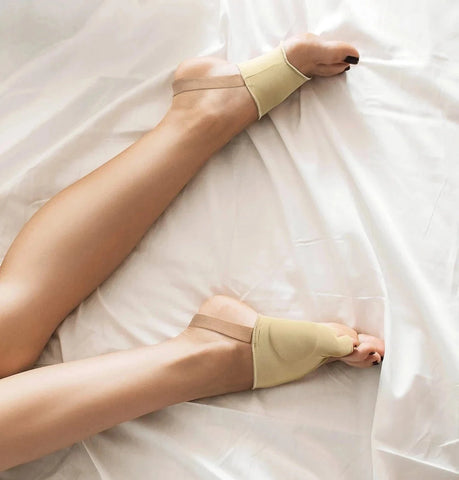
- Wear a bunion sleeve indoors: The gentle compression promotes circulation while the sleeve keeps the joint aligned and cushioned
When Winter Pain Signals a Bigger Problem
Seasonal bunion pain is usually manageable with the strategies above. However, see a podiatrist if:
- Pain is severe enough to limit indoor walking
- The bunion area is red, hot, or significantly more swollen than the other foot
- You develop numbness or color changes (white or blue toes) in the cold
- Pain continues even after warming up and being indoors for several hours
- You notice the bunion has significantly progressed since last winter
Spring Recovery
Many bunion patients notice improvement as spring arrives — warmer temperatures restore circulation, lighter footwear reduces compression, and increased outdoor activity loosens stiff joints. Use this seasonal relief as motivation to start a year-round prevention program with proper footwear, daily exercises, and protective bunion sleeves so next winter isn't as painful.