


Bunion-Friendly Boots for Winter: Stay Warm Without Squeezing Your Bunion
Winter boot shopping with bunions is a unique challenge: you need warmth, insulation, and waterproofing — plus a toe box wide enough to accommodate the bunion bump. Most winter boots are built narrow and stiff, making them bunion torture chambers. Here's how to find the right pair.
Why Winter Is Hard on Bunions
- Cold sensitivity: Bunion hardware (if you've had surgery) and the bony prominence conduct cold, causing aching pain in low temperatures
- Thick socks: Winter socks are thicker, which means the shoe needs even more room for the bunion
- Stiff boot materials: Insulated boots use rigid materials that don't flex around the bunion
- Reduced circulation: Cold weather + narrow boots = decreased blood flow to the forefoot
- Swelling changes: Some people experience more foot swelling in cold weather due to circulatory shifts
Non-Negotiable Features in Winter Boots
1. Wide Toe Box
This is the #1 requirement. The front of the boot must have enough internal volume to accommodate your toes, thick socks, AND the bunion bump — without any compression against the side wall.
2. Flexible Forefoot Material
Look for boots with soft leather, neoprene, or stretch fabric panels in the forefoot area. Rigid plastic shells common in cheap winter boots create painful pressure points.
3. Insulation WITHOUT Bulk
Modern insulation materials like Thinsulate, PrimaLoft, and aerogel provide warmth without adding internal bulk that reduces toe space. Look for 200g insulation for moderate cold, 400g for extreme cold.
4. Removable Insole
A removable insole allows you to replace with a bunion-friendly orthotic insert or add additional arch support.
5. Adjustable Closure (Laces or Straps)
Lace-up or multiple-strap boots let you customize the fit over the bunion. Single-zip boots offer one fixed fit — which rarely works for bunions.
Boot Types for Bunion Sufferers
Insulated Hiking Boots
The best option for most bunion sufferers. Brands like KEEN, Merrell, and Columbia offer insulated hiking boots with wide options, supportive soles, and flexible forefoot construction.
Winter Duck Boots
Rubber lower + fabric upper styles often have generous toe boxes due to the rubber construction. Look for side-gusset or lace-up versions for adjustability.
Insulated Chelsea Boots
Elastic side panels can accommodate the bunion area, but fit varies dramatically by brand. Try before buying.
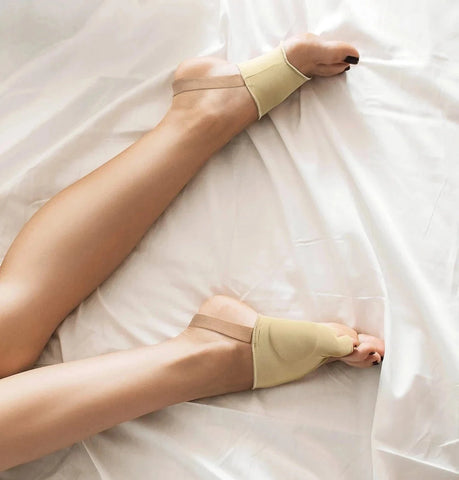
Readers who found this guide helpful are also checking these out — used by 1,800+ customers managing bunion pain at home:

What customers are saying
“The biggest win for me is the pain relief. I used to have this constant ache around the bunion area, especially after a long day on my feet. With the sleeve on, that pain has significantly toned down. I won't say it's a miracle cure, but it's definitely given me some much-needed comfort.”
“My right foot had been bothering me for months — shoes that were always comfortable suddenly hurt after a long day. I’ve been wearing these sleeves for three weeks now and my foot feels mostly back to normal. And the shipping was incredibly fast.”
Making Winter Boots More Bunion-Friendly
- Boot stretcher: Use a ball-and-ring stretcher on the bunion area. Apply shoe stretch spray first, then leave the stretcher in for 24-48 hours.
- Cobbler stretching: A professional cobbler can stretch the bunion area of leather boots for $15-$25
- Wear a thin bunion sleeve under socks: Provides a friction barrier between bunion skin and thick sock seams
- Choose thin-but-warm socks: Merino wool socks provide excellent warmth in minimal thickness, preserving toe box space
Cold Weather Bunion Pain Management
Why Cold Makes Bunions Hurt More
Cold temperatures cause vasoconstriction — blood vessels in the extremities narrow to conserve core body heat. This reduces blood flow to the foot, causing:
- Increased joint stiffness
- Reduced tissue elasticity around the bunion
- Nerve hypersensitivity
- Pain in surgical hardware (metal conducts cold)
Relief Strategies
- Warm-up exercises before going outside: Toe curls, ankle circles, and calf raises increase blood flow
- Chemical toe warmers: Adhesive warming packs placed on top of the foot (not directly on the bunion bump)
- Heated insoles: Battery-powered heated insoles maintain foot warmth during extended outdoor time
- Pre-warm boots: Place boots near (not on) a heat vent before wearing — stepping into warm boots prevents the initial cold shock
Shopping Tips
- Try boots in the afternoon when feet are at maximum size
- Bring your thick winter socks and bunion sleeve to the store — test the full setup
- Walk around the store for 10+ minutes — pressure points aren't immediate
- Wiggle your toes inside the boot — you should be able to freely spread all five toes
- If between sizes, go up — too-big boots can be padded, too-tight boots cause misery
Investing in one pair of truly well-fitting winter boots is worth more than three pairs of discount boots that squeeze your bunion. Your feet will be in these boots for months — make the investment count.