


Gardening with Bunions: Foot-Friendly Tips for the Active Gardener
Gardening is one of America's most popular hobbies — and one of the most underrated foot stressors. Between kneeling, squatting, pushing wheelbarrows, and standing on uneven ground, every garden session challenges your bunion. But with smart strategies, you can keep your garden (and your feet) flourishing.
Why Gardening Is Tough on Bunions
- Kneeling and squatting: Both positions require extreme dorsiflexion of the big toe, directly stressing the MTP joint
- Uneven surfaces: Garden terrain forces the foot into unstable positions, increasing lateral loading on the bunion
- Digging and pushing: Shovel use requires forceful push-off through the forefoot
- Prolonged standing: Hours of weeding, watering, and pruning on hard or wet ground
- Wet conditions: Damp soil and grass make surfaces slippery, requiring more toe gripping for stability
Footwear for the Garden
What to Wear
- Rubber garden clogs with wide toe box: Brands like Sloggers and Bogs offer roomy toe boxes. The wide opening doesn't compress the bunion.
- Supportive garden boots: For heavier work (digging, hauling), choose a short rubber boot with built-in arch support and a wide forefoot
- Cushioned insoles: Add arch-supportive insoles to garden clogs. Most garden shoes have flat footbeds — your bunion needs arch support to prevent pronation.
- Bunion sleeve under shoes: Extra cushioning against the clog material
What NOT to Wear
- Bare feet (sharp objects, uneven ground, and zero bunion protection)
- Flip-flops (no stability or protection)
- Old sneakers (worn-out cushioning provides no support)
- Any shoe without tread (slipping on wet grass compounds bunion stress)
Posture and Technique Modifications
Avoid Prolonged Deep Squatting
Deep squats put maximum dorsiflexion stress on the bunion joint. Better alternatives:
- Garden kneeler pad: Thick foam or memory foam kneeling pad. Kneel on one knee with the other foot flat — avoids deep toe bending.
- Garden stool or bench: Sit at bed height instead of squatting. Rolling garden stools let you move along the bed without standing up.
- Raised garden beds: Eliminate the need for ground-level work entirely. Waist-height beds are the ultimate bunion-friendly garden design.
Digging and Pushing
- Step-on tools: Use your heel or mid-foot on the shovel shoulder — not the ball of the foot where the bunion sits
- Ergonomic tools: Long-handled tools (garden hoe, standing weeder) reduce the need to bend down
- Wheelbarrow technique: Push from the hips and legs, not through the toes. Wider wheelbarrow tires are easier on uneven ground.
Readers who found this guide helpful are also checking these out — used by 1,800+ customers managing bunion pain at home:

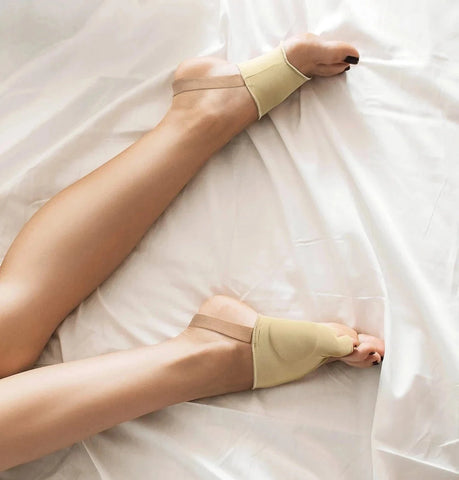
What customers are saying
“The biggest win for me is the pain relief. I used to have this constant ache around the bunion area, especially after a long day on my feet. With the sleeve on, that pain has significantly toned down. I won't say it's a miracle cure, but it's definitely given me some much-needed comfort.”
“My right foot had been bothering me for months — shoes that were always comfortable suddenly hurt after a long day. I’ve been wearing these sleeves for three weeks now and my foot feels mostly back to normal. And the shipping was incredibly fast.”
Garden Design for Bunion-Friendly Access
- Raised beds (18-24 inches): Reduces bending and eliminates deep squatting
- Smooth pathways: Flat stone, brick, or gravel paths between beds — no cobblestones or uneven stepping stones
- Handrails: Along raised bed edges for stability when standing up from kneeling
- Container gardening: Pots on tables or shelves bring plants to a comfortable working height
- Drip irrigation: Reduces time carrying heavy hoses and watering cans
Session Management
- Time limit: 30-45 minute sessions with 10-minute sitting breaks
- Alternate tasks: Rotate between standing (pruning), kneeling (weeding), and sitting (potting) every 15-20 minutes
- Warm up: 5 minutes of gentle walking and calf stretches before intense garden work
- Cool down: Gentle toe stretches and calf stretches after each session
Post-Gardening Foot Care
- Remove shoes and socks immediately: Air out your feet — garden shoes trap moisture and heat
- Wash and inspect feet: Check for any cuts, blisters, or new pressure marks on the bunion
- Ice if needed: 15 minutes if the bunion is puffy or sore
- Elevate: 10-15 minutes with feet up — you've earned it
- Foot roller massage: Tennis ball or frozen water bottle under the arch
Seasonal Planning
- Spring: Heavy digging and planting season — pace yourself and use raised beds
- Summer: Watering and harvesting — lighter foot stress but watch for heat-related swelling
- Fall: Cleanup and prep — wheelbarrow work. Use proper pushing technique.
- Winter: Indoor seed starting and garden planning — give your bunion a rest
A bunion doesn't have to keep you out of the garden. With the right footwear, tools, and garden design, you can enjoy this therapeutic hobby for decades — comfortably.