


Medically reviewed for accuracy by Dr. Charleston, FACFAOM, C.PED.
Hardware is a normal part of many bunion operations. Depending on the procedure, your surgeon may have used temporary pins (also called K-wires), small screws, staples or a plate. Most of the time they do their job quietly and stay inside for life. But some people end up asking, a few weeks or a few years later, whether it can come out: because a pin is due to be removed, a screw head can be felt under the skin, or pain is nagging at one spot.
This guide explains which hardware usually comes out, what pin removal and screw or plate removal involve, when removal helps, and when it does not. It is general information. Only your surgeon, with your X-rays in front of them, can say what is right for you.
Key takeaways
- Temporary pins are designed to be removed, often in clinic. Screws and plates are normally left in unless they cause problems.
- Removal of screws or plates is considered when a particular piece of hardware is clearly the source of pain, rubbing or irritation, once the bone has healed.
- Removal does not fix pain that comes from stiffness, scar tissue, nerve irritation or overload of other joints.
- Skin breaking over hardware, redness or drainage around a pin, or sudden new pain with clicking or a change in toe position need prompt contact with your surgeon.
Pins vs screws vs plates: which ones come out
Different operations use different fixation, and it explains why one person's toe is pin-free at six weeks while another keeps metal for life.
- Pins or K-wires. Thin temporary wires used to hold bones in position while they heal, common in smaller or minimally invasive procedures and some toe corrections. They may poke out through the skin and are planned to be removed, commonly in clinic around four to six weeks.
- Screws. Small screws hold a cut bone in its new position. They usually stay because they are buried in bone and not causing harm.
- Plates and staples. Used in fusion procedures such as Lapidus or Lapiplasty, to share load across the fusion while the bones knit. They normally stay.
If you are not sure what is in your foot, ask for your operation note, or request your hardware type and manufacturer. Our article, bunion surgery hardware: screws, plates and pins explained, covers the types in more detail.
Signs your hardware may be the problem
Hardware is rarely the whole story of persistent pain after bunion surgery, but it can be. Features that raise suspicion include:
- Pain or tenderness that you can point to with one finger directly over a screw head, plate edge or staple.
- A hard lump you can feel under thin skin, especially over the top or inner side of the foot, which rubs against shoes.
- Pain that begins or worsens months or years after a good early recovery, with no injury.
- Imaging that shows a screw that has backed out, prominent hardware, or loosening around it.
Pain from many other causes looks similar, including scar tissue, nerve irritation, stiffness and overload of neighboring joints, so your surgeon will usually examine the foot and request imaging first. Our article on pain at five months after bunion surgery goes through the common causes.
Pin removal in clinic: what it feels like
If your operation used protruding pins, there will usually be a planned removal visit, often around four to six weeks. Your surgeon will tell you the date.
Many clinics remove pins without anesthetic. The dressing comes off, the pin is gripped and pulled straight out in a second or two. People in recovery groups describe it as a strange pulling feeling and a brief sharp or zingy sensation rather than a long ordeal. A small dressing goes on afterward.
Afterward it is common to feel:
- Soreness or throbbing for a day or two, sometimes worse that night. Some people say the first night was the worst part.
- Stiffness in the big toe that eases with the movements your surgeon or therapist recommends.
- A tiny pin-site wound that dries over days.
Ask the clinic what to do about washing, when you can start moving the toe, and which signs should make you call: increasing redness, swelling, drainage, or fever. Redness, swelling or discharge around a pin site while the pin is still in place should be reported straight away. Pin tracks can become infected. If it feels as if the toe has slipped after removal, or the toe looks different, tell your surgeon the same day rather than waiting for the next visit.
Elective screw or plate removal: pros, cons and timing
Removing screws or plates is usually elective, which means you and your surgeon decide it together. The surgeon will weigh how clearly the hardware explains your symptoms against the risks of another operation.
When removal may be reasonable
- The bone has fully healed, confirmed on X-ray or scan.
- Symptoms have been present for a meaningful period, and nonsurgical steps such as shoe changes, padding, physical therapy or injections have not settled them.
- Examination and imaging point clearly to the hardware (for example a prominent screw head under thin skin).
Possible downsides
- The usual risks of any surgery: infection, bleeding, wound healing problems, nerve irritation and anesthetic risks.
- Pain may not improve, or the problem may be somewhere else.
- Removing a plate or screw leaves a hole in the bone, so surgeons may limit impact activity for a time. In rare cases the bone can refracture, or a fusion can be affected if removal happens too early.
- More scarring and a further period of swelling and restricted activity.
Timing matters. Surgeons generally want the bone to be fully healed first, which is often months, and sometimes at least a year, after fusion surgery. Removing fixation too soon can undo the correction. Ask which timeframe your surgeon recommends in your case.
Recovery after hardware removal
The recovery depends on what is removed and from where. In general terms, removing a small screw or a plate is often day surgery with a shorter, easier recovery than the original operation, but plan for some downtime rather than assuming nothing will change.
- Dressing and wound. The same rules apply as after any surgery: keep it clean, dry and covered until you are told otherwise. Ask your clinic for written instructions.
- Walking. Many people are in a protective boot or surgical shoe for a short time, often a couple of weeks, but it varies. Your surgeon may restrict impact activities for longer while the bone around the screw holes strengthens.
- Swelling and stiffness. Expect some, and keep the foot elevated when you can.
- Follow-up. Expect a wound check and sometimes an X-ray before you return to full activity.
Return to normal shoes and sport often takes a few weeks to a few months, depending on the procedure, the wound and the bone. If you are worried about the correction slipping, ask whether removal affects the risk of recurrence; our article on preventing bunion recurrence covers long-term care.
Readers who found this guide helpful are also checking these out — used by 1,800+ customers managing bunion pain at home:

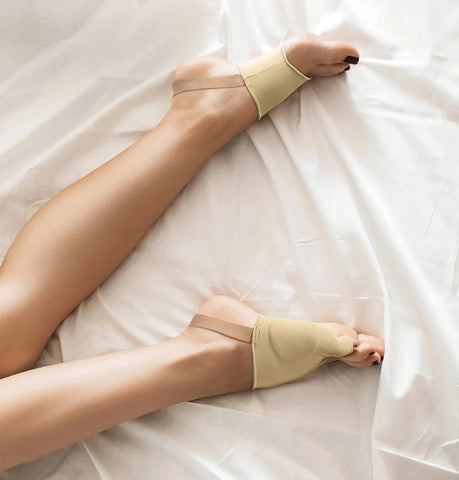
What customers are saying
“The biggest win for me is the pain relief. I used to have this constant ache around the bunion area, especially after a long day on my feet. With the sleeve on, that pain has significantly toned down. I won't say it's a miracle cure, but it's definitely given me some much-needed comfort.”
“My right foot had been bothering me for months — shoes that were always comfortable suddenly hurt after a long day. I’ve been wearing these sleeves for three weeks now and my foot feels mostly back to normal. And the shipping was incredibly fast.”
"I am so pleasantly surprised with this product! I contemplated buying it for weeks and finally did it. My feet have started to form bunions just in the last year or so. I purchased this to alleviate the pain that has started after a long day on my feet. I don't have aching sore feet at the end of the day anymore. I highly recommend it."
"Typically not one to write a review but I was pleasantly surprised with this product. I often wear heels that don't give my toes much room to straighten and over the years my pinky toe started to shift inwards towards my other toes. The misalignment caused the joint to stick out the side of my foot and I started to get inflammation and pain when I walked. In less than a week of using this product I noticed a major difference in the alignment of my toe. The pain is gone and the joint that was inflamed has gotten smaller."
"It's been 2 months since I purchased this item and I can honestly say they work. You have to be patient with them and give your foot time to heal. I had a very painful bunionette on my left foot and these sleeves made a real difference once I wore them consistently."
"I bought this because my bunions were becoming quite painful and I wanted to avoid surgery. These work really well inside shoes. They are well made too, so easy to use and doesn't cut off circulation like other products. A very effective item for pain relief and for those of us trying to keep those bunions from getting worse."
When removal will not help
This is the most important section for anyone hoping a screw is the villain. Many causes of pain after bunion surgery are not due to metal:
- Stiffness of the big toe joint, especially after scarring or a joint that was held still for weeks.
- Transfer metatarsalgia, where load shifts to the ball of the foot under the smaller toes.
- Nerve irritation or a neuroma near the scar.
- Tendon problems, such as sesamoid irritation under the big toe.
- Incomplete bone healing or a fusion that has not united, where removal could make things worse.
Imaging, a careful examination and sometimes a diagnostic injection help sort out the cause. Our article on persistent pain after osteotomy explains other causes and alternatives to repeat surgery, and if you are worried about an X-ray of a fusion, see Lapiplasty X-ray concerns.
Questions to ask before deciding
- What exactly is in my foot, and where?
- Is the bone fully healed? How do we know?
- How confident are you that this hardware is causing my symptoms, and why?
- What else could be causing the pain, and have we tried non-surgical options first?
- What are the chances removal helps, and what are the risks?
- Will it be day surgery, and how long in a boot or off sport?
- Does removal affect the correction or fusion?
Contact your surgeon promptly if you can see hardware or the skin is breaking down over it, you develop new sudden pain, clicking or a change in toe position, or you notice redness, swelling or drainage around a pin or incision. Fever with a hot, red foot should be seen the same day.
Related reading: numbness and nerve pain after surgery, a stiff big toe and limping after surgery, warning signs after surgery.
FAQ
Do screws need to be removed after bunion surgery?
Usually not. Screws and plates are typically left in place for life unless they cause problems such as pain over a prominent screw head, skin irritation or tendon rubbing. Your surgeon decides based on your symptoms and imaging.
How painful is pin removal?
Many people describe a brief pulling or sharp sensation lasting a second or two, followed by some soreness for a day or so. Experiences vary, and some clinics offer local anesthetic. Tell the nurse or surgeon if you are anxious.
What is recovery like after plate removal?
Often it is a day-surgery procedure with a shorter recovery than the original operation, but the details depend on what is removed, your bone and the wound. Expect some swelling, a protective shoe or boot for a period, and a follow-up check. Your surgeon will give specific restrictions.
Can hardware cause pain years later?
It can, though it is not the most common cause of long-term pain. Prominent hardware under thin skin or irritation of nearby tendons can become uncomfortable long after surgery. See your surgeon for examination and imaging to work out whether the hardware is responsible.
Will removing hardware let my bunion come back?
Not necessarily. Once bone is fully healed, hardware is usually not needed to hold the correction. However, removing fixation too early can compromise a correction or fusion, so timing is your surgeon's call. Ask about your specific procedure.
How do I know if my hardware is causing pain?
Pain you can pinpoint directly over a screw or plate, a lump that rubs on shoes, and pain that settles when pressure is removed all point toward hardware. But scar tissue, nerves and stiffness can cause similar pain, so imaging and an examination by your surgeon are needed.
Educational information only. It is not a substitute for advice from your surgeon, who has your X-rays and operation notes. Never remove pins or hardware yourself, and seek urgent care if you have fever, spreading redness or drainage.

Orthopedic Bunion Pain Relief & Correction Sleeve (2 Pairs)
4.9 (1864 reviews)$53.96 $26.96 · Free shipping & returns