


How to Massage Your Bunion: Self-Massage Techniques for Pain Relief at Home
Foot massage is one of the most accessible, cost-free bunion pain treatments — and you can do it right now in your living room. Regular self-massage reduces pain, improves joint mobility, and releases tight muscles that contribute to bunion progression.
Why Massage Helps Bunions
- Loosens tight adductor hallucis muscle: This muscle pulls the big toe inward (the direction of bunion drift). Releasing it reduces pull on the joint.
- Improves circulation: Enhanced blood flow brings oxygen and nutrients to the joint, promoting tissue healing
- Reduces pain signals: Gentle pressure stimulates mechanoreceptors, which override pain signals (the "gate control" theory of pain)
- Breaks up fascial adhesions: Tight fascia around the bunion restricts movement — massage restores flexibility
- Reduces swelling: Lymphatic drainage massage techniques help move fluid away from the bunion
When NOT to Massage
- Open wounds or recent surgery on the bunion
- Active infection (red, hot, swollen, with possible drainage)
- Acute gout attack (looks like bunion inflammation but requires medication, not massage)
- Deep vein thrombosis symptoms (calf swelling and pain)
Self-Massage Technique #1: Direct Bunion Massage
- Apply a small amount of lotion or massage oil to the bunion area
- Using your thumb, make slow, circular motions around the bunion bump
- Start with light pressure and gradually increase to moderate (it should feel good, never sharp)
- Circle the entire joint — top, sides, and underneath the big toe
- Continue for 3-5 minutes per foot
Technique #2: Big Toe Joint Mobilization
- Hold the foot stable with one hand gripping the metatarsal area
- With the other hand, gently grip the big toe
- Slowly move the big toe through its full range: up, down, left, right, and in circles
- Apply gentle traction (pull the toe slightly away from the foot) while circling
- 10-15 circles in each direction, twice daily
Technique #3: Arch and Ball Roll
- Place a tennis ball (or frozen water bottle for combined ice+massage) on the floor
- While seated, roll the ball under your foot from heel to toe
- Apply moderate pressure — enough to feel a deep massage
- Spend extra time on the ball of the foot near the bunion area
- 3-5 minutes per foot
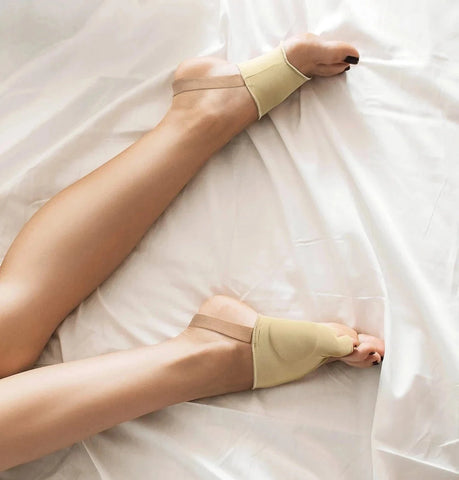
Readers who found this guide helpful are also checking these out — used by 1,800+ customers managing bunion pain at home:

What customers are saying
“The biggest win for me is the pain relief. I used to have this constant ache around the bunion area, especially after a long day on my feet. With the sleeve on, that pain has significantly toned down. I won't say it's a miracle cure, but it's definitely given me some much-needed comfort.”
“My right foot had been bothering me for months — shoes that were always comfortable suddenly hurt after a long day. I’ve been wearing these sleeves for three weeks now and my foot feels mostly back to normal. And the shipping was incredibly fast.”
Technique #4: Toe Spreading Massage
- Interlace your fingers between all five toes (like holding hands with your foot)
- Gently spread the toes apart, holding for 5 seconds
- While fingers are interlaced, rotate the forefoot in gentle circles — 10 in each direction
- This stretches the intermetatarsal ligaments and reverses shoe compression
Technique #5: Calf and Achilles Release
Tight calves increase forefoot pressure, worsening bunion pain. Don't skip this:
- Sit with one leg crossed over the other
- Using both thumbs, work deep compressions from the back of the knee down to the Achilles tendon
- Spend extra time on any knots or tight bands (trigger points)
- Finish by stretching the calf: stand facing a wall, step back, and press the heel down
Massage Tools for Deeper Relief
- Tennis ball: Perfect for arch rolling. Firm enough for deep tissue, soft enough to control
- Lacrosse ball: Harder than tennis ball — for deeper fascia release. Advanced users.
- Frozen water bottle: Combines ice therapy with rolling massage — ideal for inflamed bunions
- Foot roller (textured): Spiky rollers stimulate nerve endings and improve blood flow
- Massage gun (low setting): Use the flat or ball head on the arch and calf. Avoid using directly on the bunion bump.
Daily Massage Routine
- Morning (5 min): Big toe joint mobilization + arch roll to loosen morning stiffness
- After work (5 min): Direct bunion massage + toe spreading to release daily tension
- Before bed (5 min): Full sequence with calf release — prepares feet for overnight recovery
Consistent daily massage — even 5 minutes twice a day — can produce noticeable improvements in bunion pain within 2-3 weeks. It's free, relaxing, and gives you an active role in managing your bunion health.