


Why Don’t Toe Spacers Work for Bunions? Exploring Real-World Solutions
Last updated: 2025-12-21
Author: Dr. Emily Carter, DPM (Doctor of Podiatric Medicine)
Key Takeaways
- Bunions (hallux valgus) are deformities at the base of the big toe causing pain and toe misalignment.
- Toe spacers mainly separate toes but don’t fix the bone deformity causing bunions.
- Combining orthopedic sleeves, wide toe box shoes, padding, and foot exercises provides better relief.
- Comfortable footwear with a wide toe box reduces pressure and helps slow bunion progression.
- Regular foot exercises improve flexibility and support proper toe alignment.
- Consult a podiatrist if bunion pain worsens or limits daily activities.
What is a Bunion (Hallux Valgus) and Bunionette (Tailor’s Bunion)?
A bunion, medically known as hallux valgus, is a bony bump that forms on the side of the foot at the base of the big toe. It results from the big toe pushing against the next toe, causing joint misalignment and swelling [1]. A bunionette or tailor’s bunion is a similar bony bump occurring on the outside of the foot near the little toe [2]. Both can cause discomfort, redness, and difficulty wearing shoes.
Glossary:
- Bunion (Hallux Valgus): Bony bump at the base of the big toe causing joint misalignment.
- Bunionette (Tailor’s Bunion): Bony bump near the little toe.
- Toe Spacers: Devices placed between toes to separate and align them.
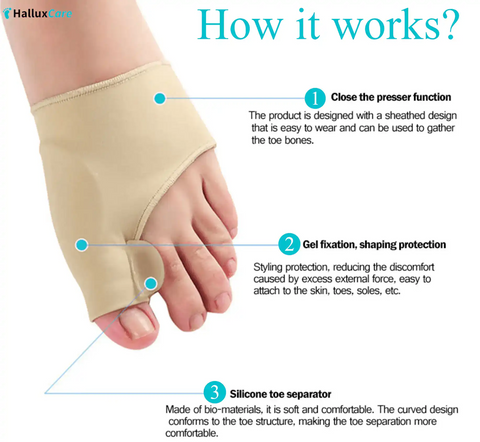
- Bunion Sleeves: Soft, padded sleeves that protect the bunion and provide gentle realignment.
- Orthoses: Custom or over-the-counter devices to support foot structure.
Symptoms and When to Seek Care
Common bunion symptoms include:
- Visible bump on the side of the big toe or little toe
- Redness, swelling, or tenderness around the joint
- Pain or soreness while walking or wearing shoes
- Limited movement of the big toe
- Calluses or corns where toes rub against each other
Seek professional care if bunion pain worsens, interferes with walking, or causes persistent swelling. Early intervention can prevent further deformity [3].
Why Toe Spacers Often Fall Short for Bunions
Toe spacers are meant to separate toes and encourage better alignment. However:
- Limited Structural Correction: Toe spacers do not realign the joint or correct bone deformities underlying bunions [4].
- Discomfort When Worn Long-Term: Many users find spacers uncomfortable inside shoes, causing chafing or pressure [5].
- Footwear Compatibility: Spacers need wide toe box shoes to be effective; narrow shoes negate their benefits.
- Temporary Relief: They may provide short-term comfort but rarely offer lasting pain relief or stop bunion progression.
Conservative Management Options and Product Use Guidance
Orthopedic Bunion Sleeves
These sleeves cushion the bunion, reduce friction, and gently realign the toe joint. Made from breathable materials, they can be worn daily, even inside shoes. Clinical evidence supports their use to reduce pain and inflammation [6].
4.9 ⭐⭐⭐⭐⭐ ( 1843 reviews )
Wide Toe Box Footwear
Shoes with a wide toe box reduce pressure on the bunion and allow toes to spread naturally. Proper footwear is a cornerstone of bunion management and can slow deformity progression [7].
Padding and Cushioning
Gel or foam pads placed over or around the bunion protect it from shoe friction and reduce pain during walking. Padding between toes can also prevent rubbing and irritation.
Stretching and Foot Exercises
Strengthening and stretching foot muscles help maintain flexibility and alignment. Exercises such as toe curls, marble pickups, and big toe stretches improve foot mechanics and may slow bunion development [8].
Fit and Footwear Tips for Bunion Comfort
- Choose shoes with a wide, deep toe box to prevent squeezing.
- Avoid high heels or pointed shoes that increase pressure on the forefoot.
- Opt for soft, flexible materials like leather or mesh that conform to foot shape.
- Use cushioned insoles or orthotic inserts for additional support.
- When trying on shoes, shop later in the day when feet are slightly swollen for best fit.
Exercises and Daily Routines for Bunion Relief
Incorporate these simple exercises:
- Toe Spreading: Sit with feet flat, spread your toes wide, hold 5 seconds, repeat 10 times.
- Toe Flex and Extend: Curl your toes downward, then extend up; repeat 10 times.
- Marble Pickups: Use toes to pick up marbles or small objects for 2 minutes.
- Big Toe Stretch: Gently pull the big toe away from the second toe, hold 10 seconds.
Do these exercises daily to help maintain mobility and reduce stiffness [9].
How to Use Toe Spacers Effectively
For those who find toe spacers helpful:
- Use soft, gel or silicone spacers during rest or low-activity periods.
- Wear spacers only with wide-toe shoes to avoid pressure.
- Start with short wearing times (15-30 minutes) and gradually increase as tolerated.
- Combine with padding over the bunion for added comfort.
FAQs About Toe Spacers and Bunions
Are toe spacers safe for bunions?
Yes, toe spacers are generally safe but should be used carefully. They can help gently separate toes but won’t correct bone deformities. Use them with proper footwear to avoid discomfort.
How long should I wear toe spacers daily?
Start with 15-30 minutes daily, especially during rest. Avoid wearing them prolongedly inside tight shoes to prevent additional pressure or irritation.
Bunion vs tailor’s bunion – what’s the difference?
A bunion forms at the big toe joint, while a tailor’s bunion (bunionette) forms on the outside of the foot near the little toe. Both cause similar symptoms but affect different areas.
Do bunion sleeves help with shoe comfort?
Yes, bunion sleeves cushion the bump, reduce friction, and provide gentle toe alignment, making shoes more comfortable to wear.
When should I see a podiatrist?
Seek podiatric care if bunion pain worsens, limits your activity, or if you notice increased swelling and deformity. Early treatment can prevent surgery.
Can I run or play pickleball with a bunion?
You can stay active, but choose supportive, wide toe box shoes and use padding or sleeves to reduce pain. Avoid high-impact activities if pain increases, and consult a specialist if needed.
Sources
- MedlinePlus, "Bunion" – https://medlineplus.gov/ency/article/001119.htm
- American Orthopaedic Foot & Ankle Society (AOFAS), "Tailor’s Bunion" – https://www.aofas.org/conditions-treatment/conditions-a-z/tailors-bunion
- National Institute of Arthritis and Musculoskeletal and Skin Diseases (NIAMS), "Bunions" – https://www.niams.nih.gov/health-topics/bunions
- Cochrane Review on Conservative Treatment of Hallux Valgus, 2018
- Reddit User Experiences on Bunion Spacers, r/bunions
- Journal of Foot and Ankle Research, 2021, "Effectiveness of Bunion Sleeves for Symptom Relief"
- APMA, "Choosing Footwear for Bunions" – https://www.apma.org/footwear
- Physical Therapy Journal, 2020, "Foot Exercises for Bunion Management"
- Mayo Clinic, "Hallux Valgus Exercises" – https://www.mayoclinic.org/diseases-conditions/bunions/in-depth/bunion-exercises/art-20244823
Final Thoughts: What’s Your Experience?
Toe spacers can be part of bunion care but usually aren’t effective on their own. Combining gentle toe separation with orthopedic sleeves, padding, supportive shoes, and regular foot exercises offers the best chance to reduce pain and improve comfort. Have you found a combination that works? Share your tips and questions to help others on their bunion journey!
Readers who found this guide helpful are also checking these out — used by 1,800+ customers managing bunion pain at home:

What customers are saying
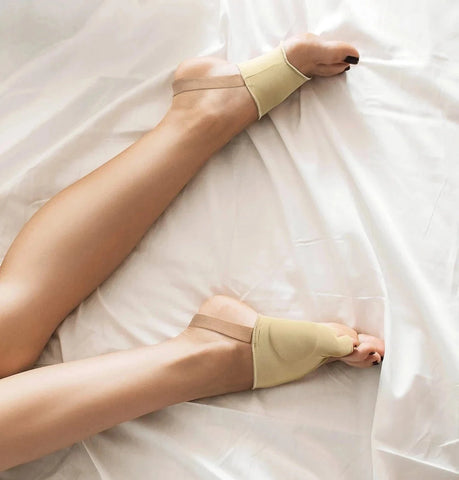
“The biggest win for me is the pain relief. I used to have this constant ache around the bunion area, especially after a long day on my feet. With the sleeve on, that pain has significantly toned down. I won't say it's a miracle cure, but it's definitely given me some much-needed comfort.”
“My right foot had been bothering me for months — shoes that were always comfortable suddenly hurt after a long day. I’ve been wearing these sleeves for three weeks now and my foot feels mostly back to normal. And the shipping was incredibly fast.”