


Author: Dr. Emily Carter, D.P.M., MSc (Podiatric Medicine)
Key takeaways (TL;DR)
- If you still have loaned crutches, contact your hospital, GP, or community equipment service to arrange return or drop-off today.
- For bunion pain, try conservative measures first: wide shoes, bunion sleeves or toe spacers, and targeted exercises. [1][2]
- Clean and inspect secondhand aids before use; replace worn tips and confirm fit. [3]
- Seek podiatry or orthopedic care if pain limits activity or if shoe changes and devices don’t help.
Direct answer
Return NHS crutches by calling the hospital or community equipment service to arrange pickup or drop-off; for bunion pain, use wide, low-heeled shoes, bunion sleeves or orthoses, and simple toe exercises to ease symptoms and keep you active.
What is a bunion (hallux valgus) and bunionette (tailor’s bunion)
- Bunion (hallux valgus): a bony bump at the base of the big toe caused by the toe leaning inward and the joint shifting outward. It can be painful and make shoes fit poorly. [1][2]
- Bunionette (tailor’s bunion): a smaller bump on the outside of the little toe. It has similar causes and treatment options but is in a different joint. [1]
Symptoms and when to seek care
Common symptoms
- Visible bump at the toe joint.
- Redness, callus, or skin irritation over the joint.
- Pain with walking or shoe wear.
- Difficulty fitting shoes.
When to see a clinician
- Pain stops you from walking or working.
- Increasing deformity or persistent swelling.
- Signs of infection (warmth, spreading redness).
- If conservative care (shoe changes, padding, sleeves) does not help after 6–12 weeks. [2][4]
Conservative management options and product use guidance
Non-surgical care can reduce pain and improve function in many people. Evidence supports footwear changes and simple devices as first steps. [2][5]
Common options
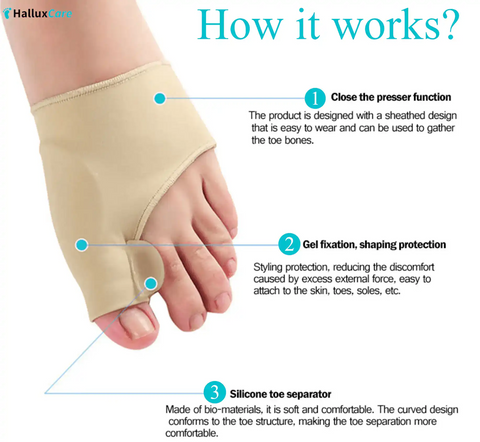
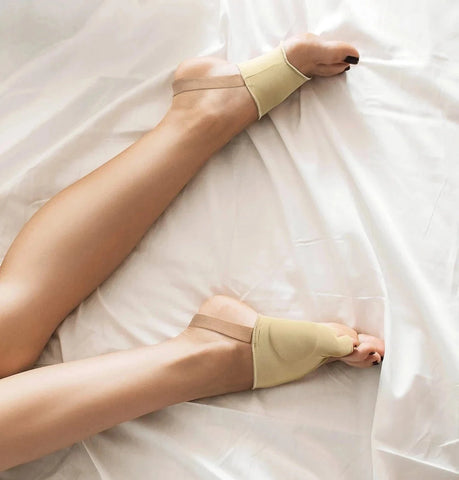
- Bunion sleeves and pads: cushion the joint and reduce friction. Use in shoes or around the house for comfort. (Product links retained below.)
- Toe spacers and splints: help realign toes temporarily and relieve pressure. They are generally safe if used correctly. [3][6]
- Orthotic insoles: redistribute pressure and support the arch. Custom orthoses can help when over-the-counter insoles are not enough. [5]
- Shoe changes: wide toe box, low heel, and flexible upper materials reduce pressure on the bunion. [4]
4.9 ⭐⭐⭐⭐⭐ ( 1843 reviews )
Fit and footwear tips (wide toe box, materials, heel height)
- Choose shoes with a wide, deep toe box. This reduces pressure over the bunion. [4]
- Avoid narrow, pointed shoes and high heels. Keep heel height under 2 inches for daily wear. [4][5]
- Look for soft, stretchable uppers (mesh or leather) and flexible soles. This reduces rubbing.
- Use removable insoles so you can add arch support or custom orthoses.
- When trying shoes, stand and walk in them for several minutes. Check for pressure at the bunion and behind the heel.
Exercises and daily routines
Regular, simple exercises can keep your toes mobile and reduce stiffness.
Routine (5–10 minutes daily)
- Toe spread and hold: Sit, spread toes apart, hold 5–10 seconds, repeat 10 times.
- Towel curl: Place a towel on the floor, curl toes to pull the towel toward you. Repeat 10 times per foot.
- Big-toe stretch: Gently pull the big toe upward and hold 10 seconds to mobilize the joint. Repeat 5–10 times.
- Calf stretches: Tight calves can change gait and foot load. Hold each stretch 20–30 seconds. Repeat twice per side.
How long to expect relief
Conservative measures can reduce pain in weeks, but structural change is slow. If symptoms persist after consistent care for 6–12 weeks, consider referral to a podiatrist or orthopedic foot surgeon. [2][5]
How to use bunion sleeves, toe spacers, and crutches — short routines
Bunion sleeve routine (daily use)
- Slip sleeve over the foot with the pad centered on the bunion. Wear in shoes or at home for padding and reduced friction. Replace when stretched or worn.
Toe spacer routine
- Start with 15–30 minutes daily, then increase up to a few hours if comfortable. Use with shoes that have a wide toe box. Stop if pain increases. [3]
Returning or using loaned crutches (quick steps)
- Inspect crutches: check tips, screws, and grips.
- Clean surfaces with a disinfectant wipe.
- Set height so elbow is slightly bent when standing.
- Contact the lending organization for return or arrange local donation. (See “Practical steps” below.)
Hygiene, safety and checking secondhand aids
- Inspect for cracks, loose bolts, or worn rubber tips; replace tips before use. [3]
- Clean all touch points with soap and water then a surface disinfectant.
- Never use a crutch that feels unstable or bent. Report it to a clinician or recycle service.
Practical tips and real-world applications
- Set a calendar reminder to return loaned items one week after your expected recovery date.
- Keep a photo of any equipment label or barcode. This helps staff find records quickly.
- If you can’t return to the hospital, ask your GP or local council about community equipment pickup. Many services will collect. [6]
- For bunion shoe shopping, take the bunioned foot — it is often larger. Buy shoes in the afternoon when feet are slightly larger.
- Use silicone toe sleeves at night for comfort, and toe spacers during low-impact activity or in recovery periods.
Short “How to return crutches” plan
- Look for a sticker or label with contact info on the crutch.
- Call the hospital or your GP practice; ask for community equipment services. [6]
- Arrange pick-up or ask about a drop-off location.
- Clean and bag the crutches for handover. Keep a photo of the item for proof if needed.
Glossary of key terms and synonyms
- Bunion (hallux valgus): Bony bump at base of the big toe.
- Bunionette (tailor’s bunion): Bump on the outside of the little toe.
- Toe spacers: Devices placed between toes to reduce pressure.
- Sleeves: Soft pads or sleeves that cushion the bunion.
- Orthoses: Insoles or devices that support the arch and redistribute pressure.
FAQs (40–70 words each)
Are toe spacers safe for bunions?
Toe spacers are generally safe for short-term use to relieve pressure and improve toe alignment. Start with 15–30 minutes daily and increase gradually. Stop if they cause sharp pain or numbness. For severe deformity or nerve symptoms, see a podiatrist for tailored advice and to rule out other causes. [3][5]
How long should I wear toe spacers daily?
Begin with 15–30 minutes per day and increase by 15-minute increments as comfortable. Many people work up to a few hours daily or wear them during low-impact activities. Avoid continuous all-day wear until you know how your feet respond. Persistent discomfort means reduce use and seek professional advice. [3]
Bunion vs tailor’s bunion – what’s the difference?
A bunion (hallux valgus) forms at the base of the big toe when it angles toward the second toe. A tailor’s bunion (bunionette) is a similar bump on the outside of the little toe. Both cause pain and shoe-fit problems, but they affect different sides of the foot. [1]
Do bunion sleeves help with shoe comfort?
Yes. Bunion sleeves pad the bump and reduce friction with shoe materials. They can lower skin irritation and allow longer wearing time in comfortable shoes. They do not permanently correct the deformity but offer symptomatic relief for daily activities. [2][5]
When should I see a podiatrist?
See a podiatrist if pain limits walking or activities, if deformity worsens, or if shoe changes and devices don’t help after several weeks. Also seek care for skin breakdown, recurrent blisters, or suspected infection. Early assessment helps plan non-surgical and surgical options if needed. [2][4]
Can I run or play pickleball with a bunion?
You can often continue low- to moderate-impact activities with the right shoes, padding, and orthotic support. Avoid tight, narrow footwear. If running or court sports cause sharp pain, reduce load and see a podiatrist to prevent worsening the condition. Custom orthoses may help high-impact athletes. [5]
What should I check before using secondhand crutches?
Inspect for cracks, loose screws, and worn rubber tips. Make sure the grips and height adjustments work and that the crutch feels stable. Clean and disinfect all surfaces and replace tips if worn. If it bends or wobbles, don’t use it—arrange for repair or proper disposal. [3]
Will toe exercises fix my bunion?
Exercises can improve joint mobility and reduce stiffness and pain. They seldom reverse a large deformity but can slow progression and improve function. Combine exercises with shoes, padding, and orthoses for best results. If the bunion causes severe pain or functional loss, discuss surgical options with a specialist. [2][5]
Sources
- MedlinePlus. Bunions. https://medlineplus.gov/bunions.html
- American Orthopaedic Foot & Ankle Society (AOFAS). Hallux valgus (bunion) overview. https://www.aofas.org/conditions--treatments/conditions-a-z/hallux-valgus
- National Center for Biotechnology Information (NCBI). Nonoperative management of hallux valgus: a review. (See literature on toe spacers and padding). https://www.ncbi.nlm.nih.gov/pmc/articles/PMC/
- NHS.uk. Foot pain - bunions: treatment and when to seek help. https://www.nhs.uk/conditions/bunions/
- Cochrane Database of Systematic Reviews. Interventions for bunions and non-surgical treatments (summary reviews). https://www.cochranelibrary.com/
- NHS / local community equipment services (examples): contact your GP practice or hospital switchboard to arrange return or collection of loaned items.